By Interestana AI Editorial — AI-drafted, human-overseen. How we report
Trump Administration Weakens Endangered Species Act Protections
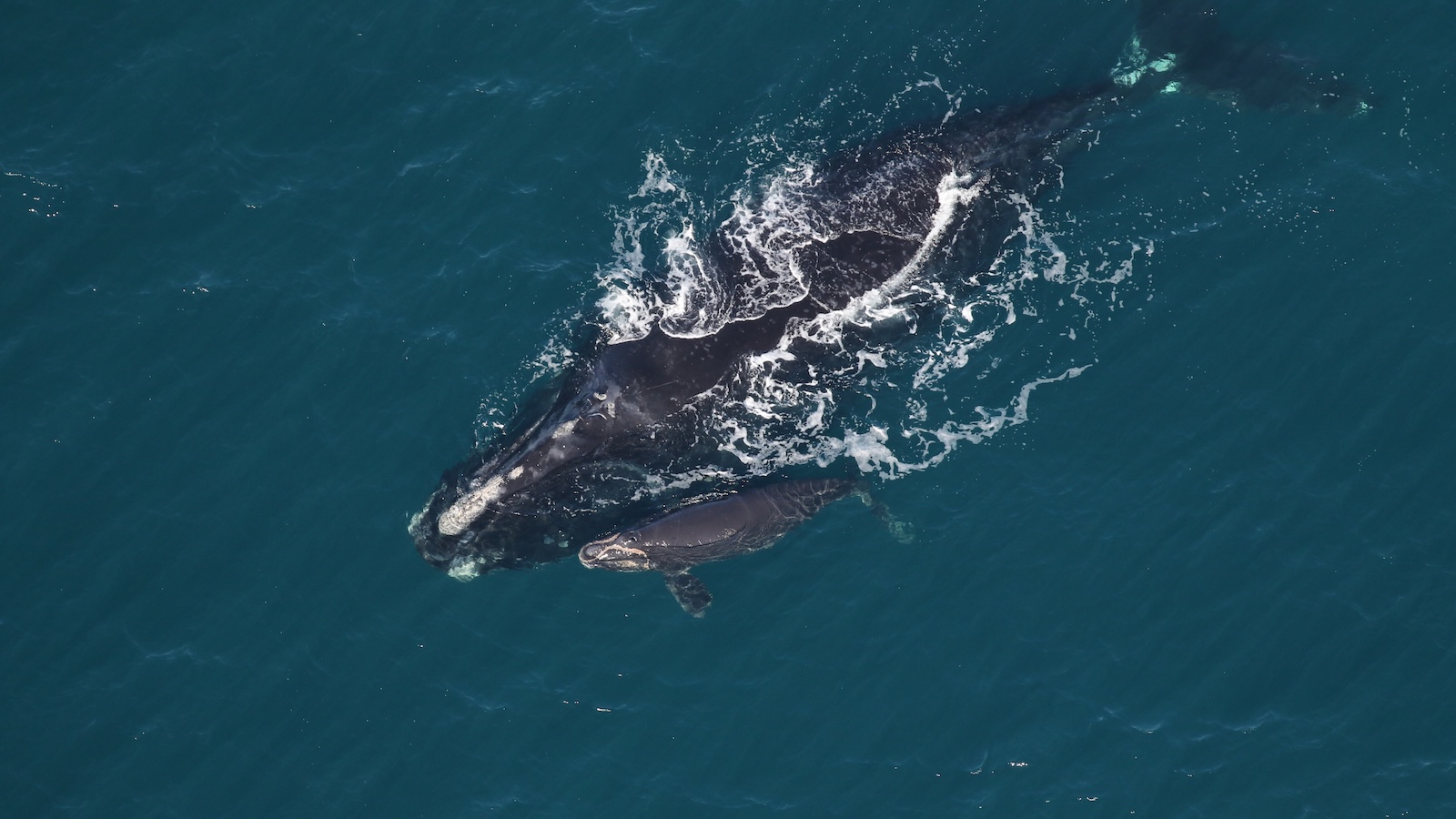
The Trump administration has enacted significant changes to the Endangered Species Act (ESA), a law once lauded by the Supreme Court as "the most comprehensive legislation for the preservation of endangered species ever enacted by any nation." These federal protections have been instrumental in preventing the permanent extinction of nearly 300 species within the United States, including iconic animals such as the bald eagle, American alligator, and grizzly bear. The U.S. Fish and Wildlife Service is primarily responsible for evaluating species and designating them as "endangered" or "threatened" each year. A critical component of the ESA involves a consultation process or permit requirement for project developers when federal activities or private development could potentially harm a listed species or its designated habitat. For decades, the interpretation of the terms "take" and "harm" has been central to the law's effectiveness. The prohibition against "taking" an animal encompassed a broad range of actions, including "harass, harm, pursue, hunt, shoot, wound, kill, trap, capture, or collect" at-risk species. Furthermore, the "harm" provision ensured that degradation of a listed species' habitat could result in federal penalties. However, in the past month, the Trump administration redefined these key terms. The administration determined that the destruction of habitat essential for endangered or threatened species to breed, feed, and shelter would no longer be subject to federal penalties. In a separate internal directive, the administration also narrowed the definition of "take," restricting it to only instances of intentional killing of an endangered species. These regulatory shifts have prompted legal challenges, with nearly two dozen attorneys general filing lawsuits against some of these changes. Elizabeth Forsyth, a senior attorney with Earthjustice's biodiversity defense program, described these rule changes as "an assault on threatened and endangered species unlike we've ever seen before." She further elaborated that the administration's actions represent "an effort to eliminate habitat protections, eliminate automatic protections for threatened species, and give industry" greater latitude. The implications of these changes are far-reaching, potentially jeopardizing the recovery and survival of species that have benefited from decades of robust ESA enforcement. The weakening of habitat protections, in particular, could lead to the fragmentation and loss of critical ecosystems, making it more difficult for species to thrive and recover. The reinterpretation of "take" to exclude indirect harm through habitat degradation removes a significant enforcement tool, leaving species vulnerable to indirect threats that can be just as devastating as direct killing. The ESA's success has been built on its ability to address a wide spectrum of threats, and these new interpretations significantly curtail its scope and impact. The nearly 300 species that have benefited from the ESA now face an uncertain future as the legal and regulatory framework designed to protect them is systematically dismantled.
Original source — read the full reporting at the publisher:
Read on GristGet the weekly AI digest
AI news + new model releases, weekly. Drafted by our agents, reviewed by humans.