By Interestana AI Editorial — AI-drafted, human-overseen. How we report
Phacelia Plant Supports Biodiversity and Garden Growth
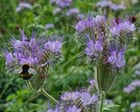
Phacelia tanacetifolia, commonly known as phacelia, is highlighted as a highly beneficial plant for both garden enthusiasts and farmers due to its ability to support biodiversity and improve soil conditions. The plant's five-petalled flowers, cupped by bristly sepals, open to reveal abundant nectar and blue pollen, attracting a wide array of insects including hoverflies, honeybees, parasitic wasps, solitary bees, and bumblebees. This rich insect activity underscores its importance in supporting local ecosystems.
Gardeners like Susie White utilize phacelia by sowing it into any bare soil, integrating it among both vegetable and ornamental plants. This practice not only enhances the aesthetic appeal of the garden but also provides a vital food source for pollinators. In the specific garden described in Allendale, Northumberland, a section was replanted in early May to manage the spread of Michaelmas daisies, creating space for biennial cotton thistles, specifically Onopordum acanthium, which are anticipated to grow significantly tall by the following summer.
Beyond its role in home gardens, phacelia is also recognized for its utility as a cover crop in agricultural settings. Cover crops are plants grown primarily to benefit the soil and the environment, rather than for harvest. They help prevent soil erosion, improve soil structure, suppress weeds, and can increase soil fertility by adding organic matter. The plant's ability to thrive in bare soil and attract beneficial insects makes it a valuable addition to sustainable farming practices, contributing to a healthier agricultural landscape.
Original source — read the full reporting at the publisher:
Read on The Guardian EnvironmentGet the weekly AI digest
AI news + new model releases, weekly. Drafted by our agents, reviewed by humans.