By Interestana AI Editorial — AI-drafted, human-overseen. How we report
Asian Communities Sue Shell Over Climate Change Impact
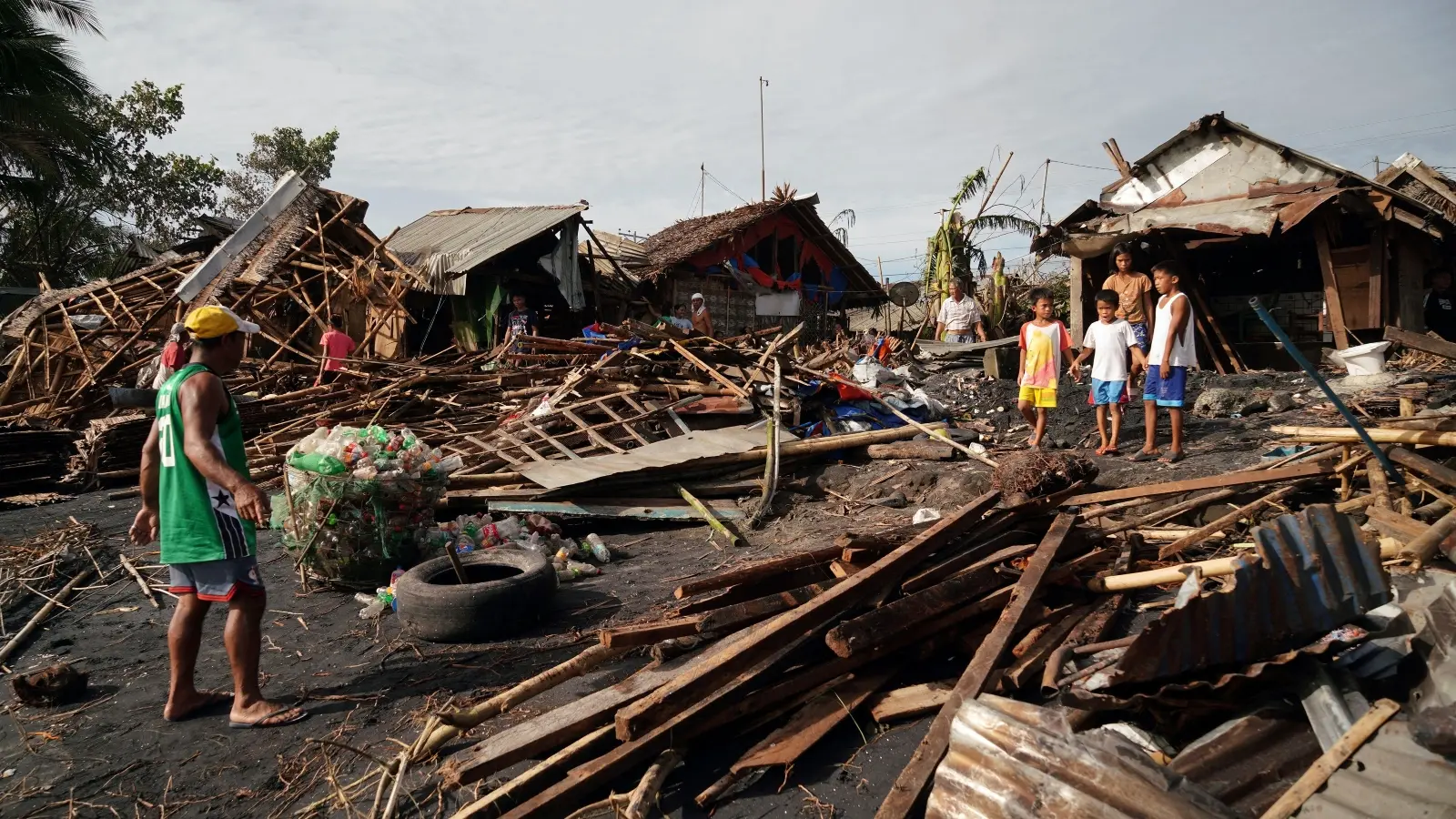
In December 2025, 67 survivors of Super Typhoon Rai filed a lawsuit against Shell at the Royal Courts of Justice, alleging that the company's historical carbon emissions contributed to climate change and exacerbated the devastation caused by the 2021 typhoon. Trixy Elle, a survivor from Batasan Island, Philippines, recounted the destruction of her home and the struggle for survival, highlighting the slow government response and the disproportionate impact on communities that contribute minimally to the climate crisis. The lawsuit argues that Shell has been aware of the risks of climate change since the 1960s and its role in contributing to these risks.
Super Typhoon Rai, which made landfall in December 2021, was equivalent to a Category 5 hurricane and affected 10.6 million people in the Philippines. The storm resulted in over 400 fatalities and displaced 1.4 million individuals. Elle described the harrowing experience of wading through the storm with her family and the subsequent challenges of finding food, including consuming dead livestock due to the delayed aid. She expressed a profound sense of injustice, questioning why her community bore the brunt of a crisis they did little to create.
The plaintiffs' legal action seeks compensation for the damages incurred, asserting a direct link between Shell's emissions and the severity of climate-related disasters. This case represents a growing trend of climate-impacted communities pursuing legal avenues to hold major corporations accountable for their contributions to the climate crisis. Shell has not yet responded to requests for comment regarding the lawsuit.
Original source — read the full reporting at the publisher:
Read on GristGet the weekly AI digest
AI news + new model releases, weekly. Drafted by our agents, reviewed by humans.