By Interestana AI Editorial — AI-drafted, human-overseen. How we report
Lave Net Fishing Faces Decline in Severn Estuary
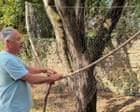
Lave net fishing, a centuries-old method of catching salmon in the Severn Estuary, is facing significant challenges that threaten its continued existence. Gwyneth Lewis visited Martin Morgan, secretary of the Black Rock Lave Net Fishery, to observe this traditional practice firsthand. Morgan, whose great-grandfather established the fishery over 100 years ago, has fished these waters between the two Severn crossings since childhood, navigating the powerful currents of the Bristol Channel, which boasts the second-highest tidal range globally. This extreme tidal range necessitates a cooperative approach to fishing, as working against such powerful forces is impossible.
The traditional lave net fishing technique involves fishermen wading into the water with a large, triangular net attached to a pole. They use the net to scoop up salmon as the fish are driven towards them by the tide or by other fishermen. This method requires intimate knowledge of the estuary's complex sandbanks, channels, and tidal patterns. Morgan specifically mentioned fishing grounds such as the Grandstand, the Hole, and the Gruggy, highlighting the localized expertise required for success.
However, the practice is in decline. Several factors contribute to this precarious situation. Environmental changes in the Severn Estuary, including alterations to water quality and flow, are believed to be impacting salmon populations. Furthermore, a general reduction in salmon stocks returning to the river to spawn has meant fewer fish are available to be caught. The Black Rock Lave Net Fishery, a Facebook-documented entity, represents one of the few remaining groups actively preserving this heritage.
Morgan's family has been involved in this fishery for generations, underscoring the deep historical roots of lave net fishing in the region. The tradition is not merely about catching fish; it is a cultural practice deeply intertwined with the local identity and the unique environment of the Severn Estuary. The challenges faced by the Black Rock Lave Net Fishery are indicative of broader issues affecting traditional fishing methods worldwide, which often struggle to adapt to modern environmental regulations, declining natural resources, and changing economic landscapes. The continuation of lave net fishing now depends on addressing these multifaceted issues, from conservation efforts for salmon populations to potentially finding new ways to sustain the practice in the face of these adversities.
Original source — read the full reporting at the publisher:
Read on The Guardian EnvironmentGet the weekly AI digest
AI news + new model releases, weekly. Drafted by our agents, reviewed by humans.