By Interestana AI Editorial — AI-drafted, human-overseen. How we report
Communities Build Resilience Hubs Two Years After Hurricane Helene
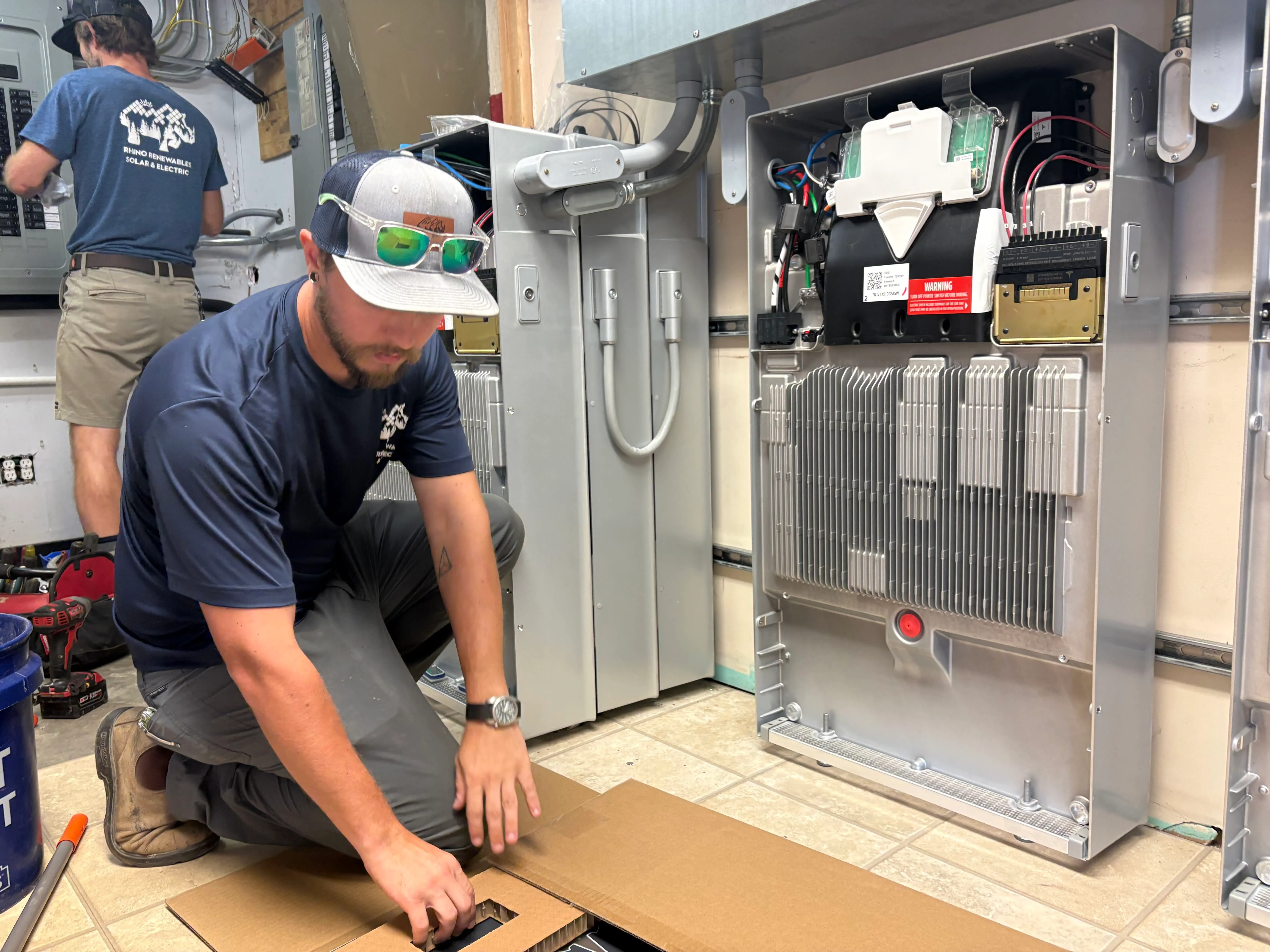
Two years after Hurricane Helene devastated western North Carolina, communities are transforming the ad hoc support networks that emerged from the disaster into more permanent "resilience hubs." These hubs are designed to provide essential services and support during power outages, extreme weather events, and other emergencies. The concept of resilience hubs involves utilizing existing, trusted community spaces such as community centers, churches, and libraries, equipping them with resources and establishing operational plans. Following Hurricane Helene, these spaces became vital centers for distributing food, water, clothing, and tools, and residents learned critical skills like home repair. The experience highlighted the importance of community-led initiatives in disaster response, demonstrating that resilience can be built not only through designated facilities but also through the skills, equipment, and social connections that individuals and communities possess. McKenzie Jones, a director with the Urban Sustainability Directors Network, described resilience hubs as "existing community spaces that are used and trusted by residents," emphasizing their role in fostering community preparedness and response. Examples of these initiatives include the East Asheville Library installing solar panels to ensure power during outages and the Asheville Tool Library offering training on power tools. The Old Fort Train Depot hosted a recent discussion on heat wave action plans, illustrating how these hubs can facilitate proactive community engagement. The city of Asheville is actively supporting this movement, having allocated $2 million earlier this year to strengthen existing hubs. City Manager D.K. Wesley has indicated a long-term commitment, with a potential investment of up to $10 million over time. This local effort mirrors a national trend of communities investing in resilience infrastructure to mitigate the impacts of increasingly frequent and severe weather events and other emergencies. The experience of Hurricane Helene underscored that while formal hubs are valuable, the inherent resilience found in community skills, shared resources, and strong social ties is equally crucial for preparedness and recovery. The ongoing challenge is to integrate these informal strengths with formal structures to create a robust, proactive disaster response system.
Original source — read the full reporting at the publisher:
Read on GristGet the weekly AI digest
AI news + new model releases, weekly. Drafted by our agents, reviewed by humans.