By Interestana AI Editorial — AI-drafted, human-overseen. How we report
Flax Cultivation Revival in Belfast's Botanic Meadow Connects to City's Linenopolis Past
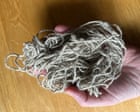
In the heart of Belfast's Botanic Meadow, within the Friends of the Field community garden, a quiet yet significant revival is taking root: the cultivation of flax. Merle, a passionate textile craftswoman, has guided her creative journey back to the very source of her materials, nurturing a crop that was once the lifeblood of this Northern Irish city. The author, Mary Montague, holds a hank of the resulting flax yarn, its brownish-grey hue and palpable strength a testament to the plant's enduring fibre. This tangible connection to flax is more than just a personal exploration for Merle; it represents a reawakening of a practice deeply interwoven with Belfast's historical identity.
During the 19th century, Belfast ascended to global prominence as "Linenopolis," a testament to its unparalleled dominance in linen production. This era of industrial might was built upon the widespread cultivation and meticulous processing of flax, a plant that transformed the city's landscape and economy. The linen industry was a cornerstone of Northern Ireland's economic prosperity, employing thousands and establishing Belfast as a manufacturing powerhouse. However, the advent and widespread adoption of synthetic textiles in the 20th century precipitated a dramatic decline in the traditional linen trade. Despite its profound historical significance and its role in shaping the city's very name and identity, the sight of a growing flax crop was a novel experience for Montague until she witnessed Merle's dedicated efforts.
The Friends of the Field community garden, where Merle's flax is flourishing, is a hub for diverse horticultural activities, encompassing the growth of fruits and vegetables alongside this historical crop. The garden's ethos centres on fostering a deeper connection with the land and reviving traditional agricultural practices. Merle's personal trajectory, tracing her craft back to the agricultural origins of her materials, reflects a growing contemporary interest in understanding and participating in the complete lifecycle of goods. This resurgence of flax growing within an urban community garden setting serves as both a symbolic gesture and a practical endeavour to reconnect with Belfast's rich heritage. It also explores the potential for sustainable, natural fibre production in a modern, urban environment. This initiative offers a compelling glimpse into how historical industries can be reinterpreted and revitalized through dedicated community engagement and individual passion, potentially weaving a new, sustainable identity for the city, one that is firmly rooted in its celebrated past achievements.
Original source — read the full reporting at the publisher:
Read on The Guardian EnvironmentGet the weekly AI digest
AI news + new model releases, weekly. Drafted by our agents, reviewed by humans.