By Interestana AI Editorial — AI-drafted, human-overseen. How we report
Rosy Footman Moth Appears on Anglesey
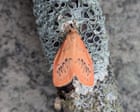
The Rosy Footman moth (Miltochrista miniata) has established a presence on Ynys Môn, also known as Anglesey, in Wales, a development noted by local observer Nigel Brown. This species is characterized by its distinctive nectarine-like coloring and markings that resemble hieroglyphs. Brown incorporates observing moths into his summer routine, often beginning his day by examining the contents of his Robinson light trap. This particular trap, a 40-year-old piece of equipment situated in his wildlife garden, serves as a focal point for his morning observations. The mild weather conditions, even when too cloudy for meteor showers like the Perseids, are conducive to moth activity, encouraging their flight and subsequent capture in the trap. Brown's routine is often accompanied by a robin, a familiar visitor to his garden who appears to recognize the activity. The presence of the Rosy Footman on Anglesey is considered significant, as its appearance suggests a preference for environments with clean air. This observation aligns with broader ecological indicators that use insect populations, particularly moths, as markers for environmental health. Moths, due to their sensitivity to air quality and habitat changes, can serve as bioindicators. The Rosy Footman's colonization of this Welsh island indicates that Anglesey's air quality and natural habitats are suitable for its survival and reproduction. The species' unique coloration and markings contribute to its visual distinctiveness, making it a subject of interest for naturalists and amateur entomologists. The continued monitoring of such species provides valuable data for understanding local biodiversity and the impact of environmental conditions. Brown's practice of regularly checking his light trap underscores the importance of consistent, long-term observation in documenting ecological changes and species distribution. The mild night, which prevented the visibility of the Perseid meteor shower, was nonetheless beneficial for moth activity, highlighting the interplay between weather patterns and insect behavior. The specific mention of the Robinson light trap, a common tool in entomology, points to established scientific methods being employed in these observations. The description of the trap as "shabby" and resembling a "tiny flying saucer" adds a personal touch to the scientific endeavor, emphasizing the blend of routine and wonder in nature observation. The presence of the Rosy Footman on Anglesey is a testament to the island's ecological value and its capacity to support a diverse range of insect life, including relatively new arrivals.
Original source — read the full reporting at the publisher:
Read on The Guardian EnvironmentGet the weekly AI digest
AI news + new model releases, weekly. Drafted by our agents, reviewed by humans.