By Interestana AI Editorial — AI-drafted, human-overseen. How we report
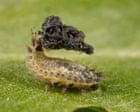
Volunteer recorders vital for uncovering Ceredigion's rich insect life, including a beetle with a prehensile anus
A recent Wildwatch recording morning in Troedyraur, Ceredigion, has underscored the indispensable contribution of volunteer wildlife recorders to understanding and documenting local biodiversity. These dedicated individuals, who "move slowly and look hard," are instrumental in gathering vital data on species, often uncovering fascinating and previously unrecorded inhabitants of the landscape. Carys May, representing the West Wales Biodiversity Information Centre, a key organization in coordinating such efforts, initiated the day's observations even before the formal recording began. Her initial identifications included two species of horsefly: the imposing dark giant horsefly (*Tabanus sudeticus*), distinguished by its large, closely set eyes, and the notch-horned cleg or horsefly (*Haematopota pluvialis*), a species known for its propensity to bite, as experienced by the author. The presence of these biting insects, while perhaps unwelcome, serves as a tangible indicator of a healthy ecosystem.
During a walk through Pencoedtop, an area undergoing ecological restoration from a former conifer plantation back to its natural moorland state (known as 'rhos' in Welsh), May exemplified the meticulous nature of wildlife recording. She identified a mining bee, a species so small and specialized that its accurate classification requires microscopic examination. This particular bee exhibits an unusual method of pollen collection; unlike many bee species that store pollen in specialized leg baskets, this bee emerges from flowers dusted with pollen. The female then ingeniously uses this powdery substance to seal her nest, along with her eggs, a unique behavioral adaptation.
Further exploration in a dense bank of brambles yielded sightings of several marmalade hoverflies (*Episyrphus balteatus*). These insects, which bear a superficial resemblance to slim wasps, are crucial pollinators. Their migratory habits are particularly noteworthy, as they travel long distances from the continent at considerable altitudes, contributing to pollination across vast geographical areas. The article also emphasizes the existence of a specialized network of recorders for specific taxa. For instance, a designated county hoverfly recorder acts as an expert resource, akin to a "naturalist archangel," readily assisting with identification queries. This hierarchical structure of expertise ensures the accuracy and depth of the collected data. The discovery of such a diverse array of insects, from the formidable horseflies to the migratory hoverflies and the microscopic mining bee, vividly illustrates the ecological richness of the restored Pencoedtop moorland and the profound value of the volunteer network in its ongoing documentation. The mention of a "beetle with a prehensile anus" (though not further detailed in this excerpt) hints at even more extraordinary discoveries facilitated by these dedicated recorders, further emphasizing the hidden wonders that local wildlife recording efforts can reveal.
Original source — read the full reporting at the publisher:
Read on The Guardian EnvironmentGet the weekly AI digest
AI news + new model releases, weekly. Drafted by our agents, reviewed by humans.