By Interestana AI Editorial — AI-drafted, human-overseen. How we report
Sea Sponge Filters Pollutants in Spanish Port Test
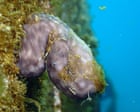
A species of sea sponge, identified as the chicken liver sponge (Chondrilla nucula), has demonstrated a significant capacity for filtering pollutants within the waters of Marina Palamós, located on Spain's Costa Brava. This finding emerged following a two-year transplantation experiment initiated by Manuel Maldonado, a sponge biologist affiliated with the Spanish National Research Council (CSIC). Maldonado and his team introduced these sponges into the port to assess their resilience and effectiveness in a compromised marine environment. The recent observation of red starfish colonizing the area, a sign of improved water quality, suggests the sponges' success in mitigating pollution.
The experiment, detailed in research published by Frontiers in Marine Science, involved transplanting the sponges to observe their survival and filtration capabilities in the port's polluted conditions. The chicken liver sponge, known for its porous structure, is believed to absorb and retain various contaminants from the water column. This natural filtration process could offer a sustainable and eco-friendly alternative to conventional methods of harbor and port cleanup, which often involve costly and potentially disruptive mechanical or chemical interventions. The presence of marine life like starfish, which are sensitive to water quality, serves as a biological indicator of the sponges' positive impact.
Marina Palamós, the site of the trial, is characterized by its historical pollution levels, making it a challenging yet relevant location to test the efficacy of biological filtration. The success observed here could pave the way for wider applications of sponge-based bioremediation in other coastal areas facing similar environmental pressures. The research team's work highlights the potential of marine organisms to address human-induced environmental damage. Further studies are anticipated to quantify the exact volume and types of pollutants removed by the sponges and to explore the scalability of this approach for larger marine ecosystems.
This initiative by the Spanish National Research Council underscores a growing trend in environmental science towards leveraging natural processes for ecological restoration. The chicken liver sponge's ability to thrive and actively clean its surroundings presents a compelling case for its role in future marine conservation efforts. The project's findings are expected to inform policy and practice in coastal zone management, promoting the use of bio-integrated solutions for maintaining healthy marine environments.
Original source — read the full reporting at the publisher:
Read on The Guardian EnvironmentGet the weekly AI digest
AI news + new model releases, weekly. Drafted by our agents, reviewed by humans.