By Interestana AI Editorial — AI-drafted, human-overseen. How we report
Brooklyn Waterways Reimagined for Climate Adaptation
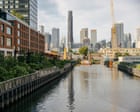
Designers are undertaking a significant reimagining of one of New York City's most polluted urban waterways in Brooklyn, with a dual focus on climate adaptation and delivering tangible community benefits. This initiative seeks to transform neglected and contaminated water bodies into resilient and accessible public assets. The project aims to address the increasing challenges posed by climate change, such as rising sea levels and more intense storm events, by integrating innovative design solutions that enhance the ecological health and functional capacity of these waterways. Simultaneously, the plans prioritize the creation of spaces that foster community engagement, recreation, and education, thereby improving the quality of life for local residents.
The approach involves a multi-faceted strategy that includes ecological restoration, improved water quality management, and the development of public access points. Traditional methods of simply containing or ignoring polluted urban water bodies are being replaced by proactive measures to remediate and revitalize them. This shift reflects a broader understanding of the interconnectedness between urban development, environmental health, and social well-being. By treating these waterways not as liabilities but as opportunities, the project seeks to unlock their potential as vital components of a sustainable and equitable urban landscape. The initiative is supported by the Outrider Foundation, which provides support for visual climate coverage, underscoring the project's alignment with critical environmental objectives.
Key design considerations include the implementation of green infrastructure, such as bioswales and permeable pavements, to manage stormwater runoff and reduce the influx of pollutants into the waterways. These measures are crucial for improving water quality and mitigating the impact of urban heat islands. Furthermore, the project explores the potential for creating new habitats for local flora and fauna, thereby enhancing biodiversity within the urban environment. The revitalized waterways are envisioned to become vibrant ecological corridors that connect different parts of the city and provide much-needed green spaces for residents. The emphasis on community benefits extends to the creation of waterfront parks, recreational facilities, and educational programs that will engage the public in learning about the local ecosystem and the importance of water conservation.
This transformation in Brooklyn represents a forward-thinking model for urban water management and climate resilience. It moves beyond conventional approaches to urban planning by integrating environmental stewardship with social equity and economic development. The success of this project could serve as a blueprint for other cities grappling with similar challenges of urban pollution and climate vulnerability. By investing in the restoration and adaptive reuse of urban waterways, cities can create more sustainable, healthy, and livable environments for current and future generations. The visual documentation of this process, supported by organizations like the Outrider Foundation, plays a crucial role in raising awareness and inspiring further action in climate adaptation and urban regeneration efforts.
Original source — read the full reporting at the publisher:
Read on The Guardian EnvironmentGet the weekly AI digest
AI news + new model releases, weekly. Drafted by our agents, reviewed by humans.