By Interestana AI Editorial — AI-drafted, human-overseen. How we report
University President Visits Rural Schools to Boost Enrollment
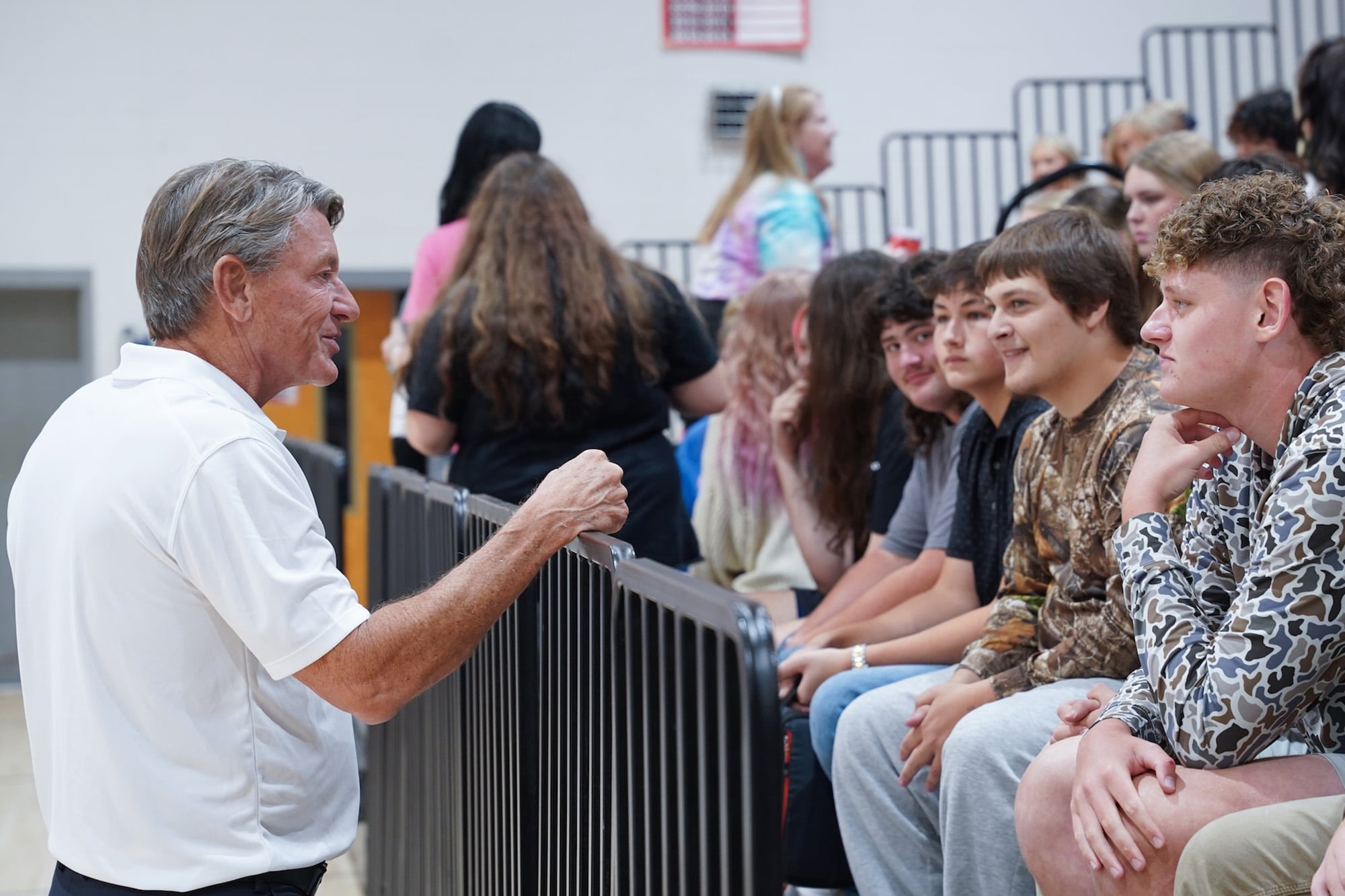
Johanna Alonso, the head of the University of Tennessee System, undertook a two-week outreach initiative, visiting 16 rural high schools across the state. This extensive tour, which concluded on October 5, 2026, was designed to directly engage with prospective students and their communities, aiming to increase enrollment from rural areas. Alonso's primary objective was to articulate the value proposition of a University of Tennessee education and to actively combat the prevailing notion that a four-year college degree is not a suitable or attainable path for students from rural backgrounds. The initiative reflects a broader trend among higher education institutions seeking to diversify their student populations and reach underserved geographic regions.
The University of Tennessee System, a multi-campus public university system, comprises six distinct institutions: the University of Tennessee, Knoxville; the University of Tennessee Health Science Center in Memphis; the University of Tennessee, Chattanooga; the University of Tennessee, Martin; the University of Tennessee Space Institute; and the University of Tennessee Agricultural Extension. Each campus offers a range of undergraduate and graduate programs, contributing to the system's mission of education, research, and public service. By engaging directly with high school students, Alonso sought to demystify the college application process and highlight the specific opportunities and support systems available within the UT System. This direct engagement is crucial for rural students who may have less exposure to university recruiters or fewer opportunities for campus visits compared to their urban or suburban counterparts.
This outreach effort by the University of Tennessee System president underscores a strategic imperative for many universities: to broaden access to higher education and to ensure that geographic location does not become a barrier to opportunity. Rural communities often face unique challenges, including limited access to advanced academic programs in high schools, fewer local internship or career opportunities, and sometimes a cultural perception that favors vocational training over a traditional four-year degree. By traveling to these communities and speaking directly with students, Alonso aimed to bridge this gap, providing personalized encouragement and information about the benefits of a university education, such as enhanced career prospects, increased earning potential, and personal development. The visits also served as an opportunity for the university to gather insights into the specific needs and concerns of rural students, potentially informing future recruitment strategies and program development.
The initiative also highlights the competitive landscape of college admissions, where institutions are increasingly looking for ways to differentiate themselves and attract a diverse pool of qualified applicants. For rural students, the perception that a four-year degree is not practical or relevant can be a significant deterrent. Alonso's direct advocacy aims to counter these perceptions by showcasing successful alumni from rural backgrounds and emphasizing the transferable skills and broad applicability of a university education. The University of Tennessee System's proactive approach, involving its highest leadership in direct community engagement, signals a strong commitment to inclusivity and to fulfilling its mission of serving all Tennesseans, regardless of their geographic origin.
Original source — read the full reporting at the publisher:
Read on Inside Higher EdGet the weekly AI digest
AI news + new model releases, weekly. Drafted by our agents, reviewed by humans.