By Interestana AI Editorial — AI-drafted, human-overseen. How we report
North Sea Oil Fields' Climate Damage Outweighs Economic Gains
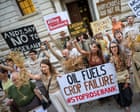
The potential climate damage stemming from the development of the Rosebank and Jackdaw oil and gas fields in the North Sea is projected to significantly outweigh any economic advantages they might offer to the United Kingdom. An analysis indicates that the economic harm caused by carbon pollution generated from these fields over the coming decades could range from £119 billion to £336 billion. This starkly contrasts with the estimated £28.7 billion in value that Adura, the fossil fuel company advocating for these new fields, projects for the UK economy. The analysis, which focuses on the economic repercussions of CO2 pollution, suggests that the environmental costs associated with extracting and burning the oil and gas from these fields would obliterate any financial gains. The Rosebank field, in particular, has been a focal point of environmental concern, with its development potentially leading to substantial greenhouse gas emissions. Similarly, the Jackdaw field, another significant proposed project, also carries considerable climate implications. The disparity between the projected economic benefits and the potential climate damage highlights a critical debate regarding the UK's energy strategy and its commitment to climate targets. Critics argue that investing in new fossil fuel infrastructure, even with the promise of domestic energy supply and job creation, is fundamentally incompatible with the urgent need to transition to cleaner energy sources and mitigate the escalating impacts of climate change. The analysis underscores that the long-term economic viability of such projects must account for the global costs of climate change, including extreme weather events, sea-level rise, and impacts on agriculture and public health. These costs, often externalized in traditional economic assessments, are substantial and, according to this analysis, would dwarf the direct financial returns from the oil and gas produced. The findings are expected to intensify pressure on the UK government to reconsider its approval of new North Sea oil and gas exploration and production licenses, as the environmental and economic trade-offs become increasingly apparent. The report serves as a critical piece of evidence in the ongoing discourse about balancing energy security with climate action, suggesting that the pursuit of fossil fuels, even in the current geopolitical climate, carries an unacceptable environmental and economic burden.
Original source — read the full reporting at the publisher:
Read on The Guardian EnvironmentGet the weekly AI digest
AI news + new model releases, weekly. Drafted by our agents, reviewed by humans.