By Interestana AI Editorial — AI-drafted, human-overseen. How we report
Climate Change Destabilizes Earth's Ground
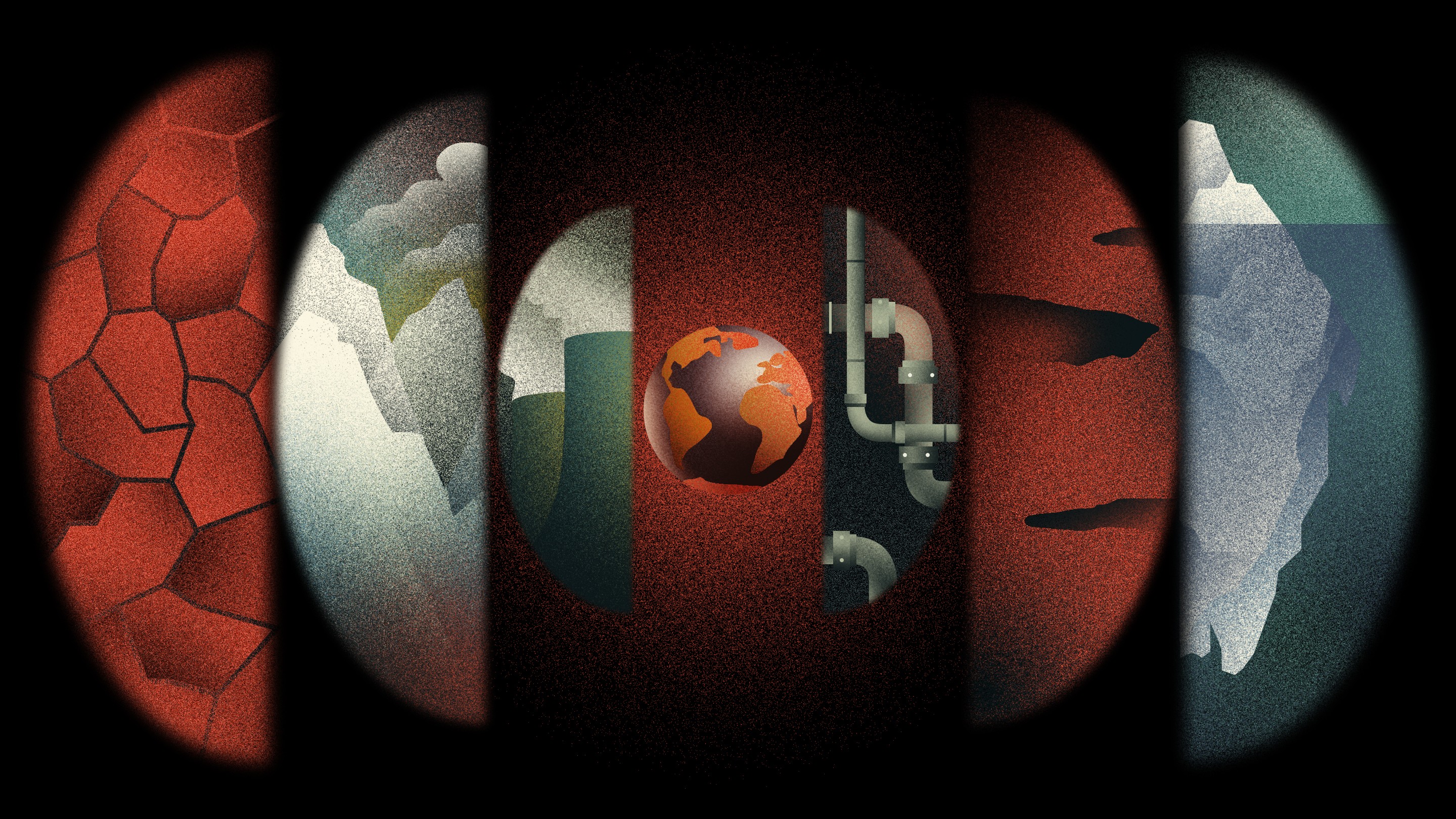
Global climate change is increasingly destabilizing the Earth's solid ground, leading to observable shifts in geological formations and a heightened risk of natural disasters like landslides. The phenomenon is driven by rising global temperatures, which directly impact the integrity of landmasses through various mechanisms. One significant effect is the melting of permafrost, the permanently frozen ground found in polar and high-altitude regions. As permafrost thaws, it loses its structural strength, causing the ground above it to subside and become unstable. This thawing process is particularly concerning in areas like Siberia and Alaska, where vast expanses of permafrost exist and are critical for infrastructure stability. Furthermore, the warming climate is altering the composition and stability of mountain ranges. Increased temperatures can lead to the expansion and contraction of rocks, as well as changes in water content within the soil and rock, all of which can contribute to increased fracturing and instability. The melting of glaciers and ice sheets, also a direct consequence of climate change, plays a role in destabilizing the ground. As these massive ice bodies diminish, the immense pressure they exert on the underlying land is reduced. This release of pressure can cause the Earth's crust to rebound, a process known as isostatic rebound, which can trigger seismic activity and alter ground stability in surrounding areas. These geological changes are directly linked to an increased frequency and severity of landslides. Landslides occur when a mass of rock, earth, or debris moves down a slope. Factors such as heavy rainfall, earthquakes, and volcanic activity can trigger landslides, but the underlying instability caused by climate change makes these events more likely. For instance, areas that were once considered stable are now experiencing increased landslide activity, posing significant risks to communities, infrastructure, and ecosystems. The thawing permafrost exacerbates this by creating saturated, unstable soil that is prone to sliding. Scientists are observing these changes globally, with particular attention being paid to regions with significant permafrost or mountainous terrain. The implications of this ground destabilization are far-reaching, affecting everything from the safety of remote villages to the integrity of major transportation routes and the long-term viability of Arctic infrastructure. The ongoing warming trend necessitates a greater understanding and monitoring of these geological impacts to mitigate risks and adapt to a changing planet. The interconnectedness of climate and geology means that the ground beneath our feet is becoming an increasingly dynamic and unpredictable element of our environment.
Original source — read the full reporting at the publisher:
Read on The AtlanticGet the weekly AI digest
AI news + new model releases, weekly. Drafted by our agents, reviewed by humans.