By Interestana AI Editorial — AI-drafted, human-overseen. How we report
Chinese EV Sales Hit Record High in Europe
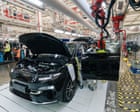
Chinese electric vehicle (EV) sales have surged to a record high across Europe in the current year, now accounting for 14% of the total market share. This significant increase is attributed to robust demand and favorable low tariff conditions observed in the United Kingdom, alongside a notable surge in buyer interest within Italy. The escalating market penetration by Chinese manufacturers is occurring against a backdrop of accusations that these companies are "dumping" state-subsidized vehicles into the European Union and the UK. This practice, if proven, aims to rapidly gain market share at the expense of domestic European manufacturers. The latest sales figures are expected to bolster arguments from European industry bodies and policymakers advocating for the implementation of stricter measures, such as import quotas and increased tariffs. These proposed actions are intended to create a more level playing field and protect the competitiveness of European automotive companies, which are currently investing heavily in their own EV production capabilities. The European Commission has already launched an investigation into the subsidies provided to Chinese EV manufacturers, signaling a growing concern within the bloc regarding the impact of these imports on its industrial base. This investigation, initiated in October 2023, is examining whether Chinese EVs sold in the EU benefit from unfair state subsidies that distort competition. The outcome of this investigation could lead to the imposition of provisional or definitive anti-subsidy duties, which would directly affect the price of Chinese EVs in the European market. Industry analysts suggest that the rapid growth of Chinese EV sales is driven by several factors, including advanced battery technology, competitive pricing, and a wider range of models catering to diverse consumer preferences. Furthermore, the ongoing transition to electric mobility across Europe has created a substantial market opportunity that Chinese automakers have been quick to capitalize on. However, the European automotive industry, a cornerstone of the continent's economy, faces significant challenges in adapting to this new competitive landscape. Major European carmakers like Volkswagen, Stellantis, and Renault are accelerating their own EV development and production plans, but they argue that the current market conditions, influenced by alleged dumping, make it difficult to compete effectively. The debate over Chinese EV imports highlights a broader geopolitical and economic tension, as Europe seeks to balance its climate goals and consumer demand for affordable EVs with the need to safeguard its strategic industries and employment. The European Union's automotive sector is a major employer, and concerns are mounting about potential job losses if domestic manufacturers cannot compete with subsidized imports. The situation underscores the complex interplay between global trade, industrial policy, and the green transition, with significant implications for both consumers and the future of the European automotive industry.
Original source — read the full reporting at the publisher:
Read on The Guardian WorldGet the weekly AI digest
AI news + new model releases, weekly. Drafted by our agents, reviewed by humans.