By Interestana AI Editorial — AI-drafted, human-overseen. How we report
China Targets 2030 for Mass Solid-State Battery Production
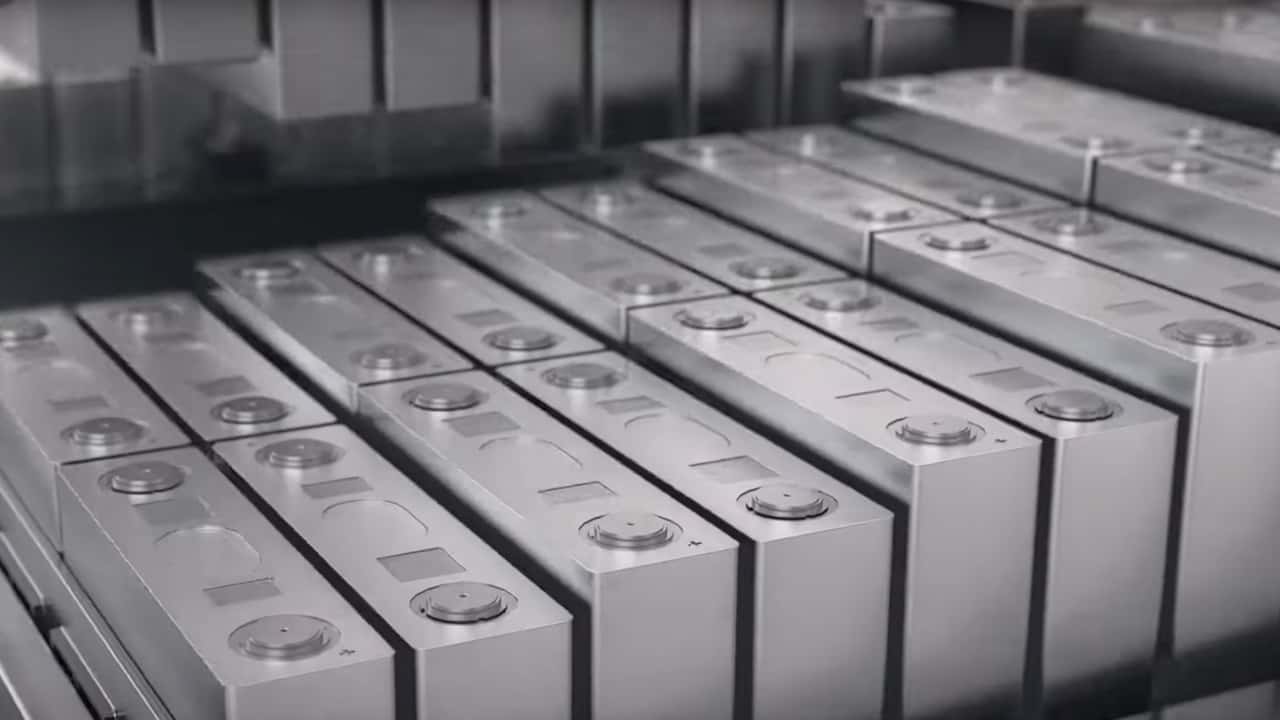
China has set an ambitious target for the mass production of solid-state batteries by the year 2030, signaling a significant push towards next-generation electric vehicle (EV) energy storage. This directive comes from Beijing, which envisions widespread adoption of this advanced battery technology. However, the world's largest EV battery manufacturer, Contemporary Amperex Technology Co. Limited (CATL), has cautioned that achieving affordability alongside mass production presents a substantial hurdle. CATL's statement underscores the complex technical and economic challenges inherent in scaling up solid-state battery manufacturing.
Solid-state batteries represent a significant advancement over current lithium-ion batteries, which rely on liquid electrolytes. By replacing the liquid with a solid electrolyte, these batteries promise enhanced safety, higher energy density, and faster charging capabilities. These improvements are crucial for the continued evolution of electric vehicles, potentially enabling longer ranges and quicker refueling times, thereby addressing key consumer concerns about EV adoption. The potential benefits include reduced fire risks associated with liquid electrolytes and the possibility of more compact battery designs.
Despite the technological promise, the path to mass-market affordability for solid-state batteries is fraught with difficulties. Current manufacturing processes for solid-state batteries are often complex and expensive, involving specialized materials and intricate production steps. CATL, a company with extensive experience and a dominant market share in lithium-ion battery production, possesses deep insights into the cost drivers and manufacturing complexities of battery technology. Their acknowledgment of the cost challenge suggests that significant breakthroughs in material science, manufacturing efficiency, and supply chain optimization will be required to make solid-state batteries economically viable for widespread consumer use.
The Chinese government's push for 2030 mass production indicates a strategic imperative to lead in this critical future technology. Success in this endeavor could solidify China's position as a global leader in EV technology and manufacturing. However, the timeline is aggressive, and the industry will need to overcome substantial obstacles related to material sourcing, electrode-electrolyte interface stability, and the development of cost-effective, high-throughput manufacturing techniques. CATL's pragmatic assessment serves as a crucial reminder that technological innovation must be coupled with economic feasibility to achieve market penetration and realize the full potential of solid-state battery technology.
Original source — read the full reporting at the publisher:
Read on InsideEVsGet the weekly AI digest
AI news + new model releases, weekly. Drafted by our agents, reviewed by humans.