By Interestana AI Editorial — AI-drafted, human-overseen. How we report
Lake Nakuru Flamingo Spectacle Diminished by Rising Waters
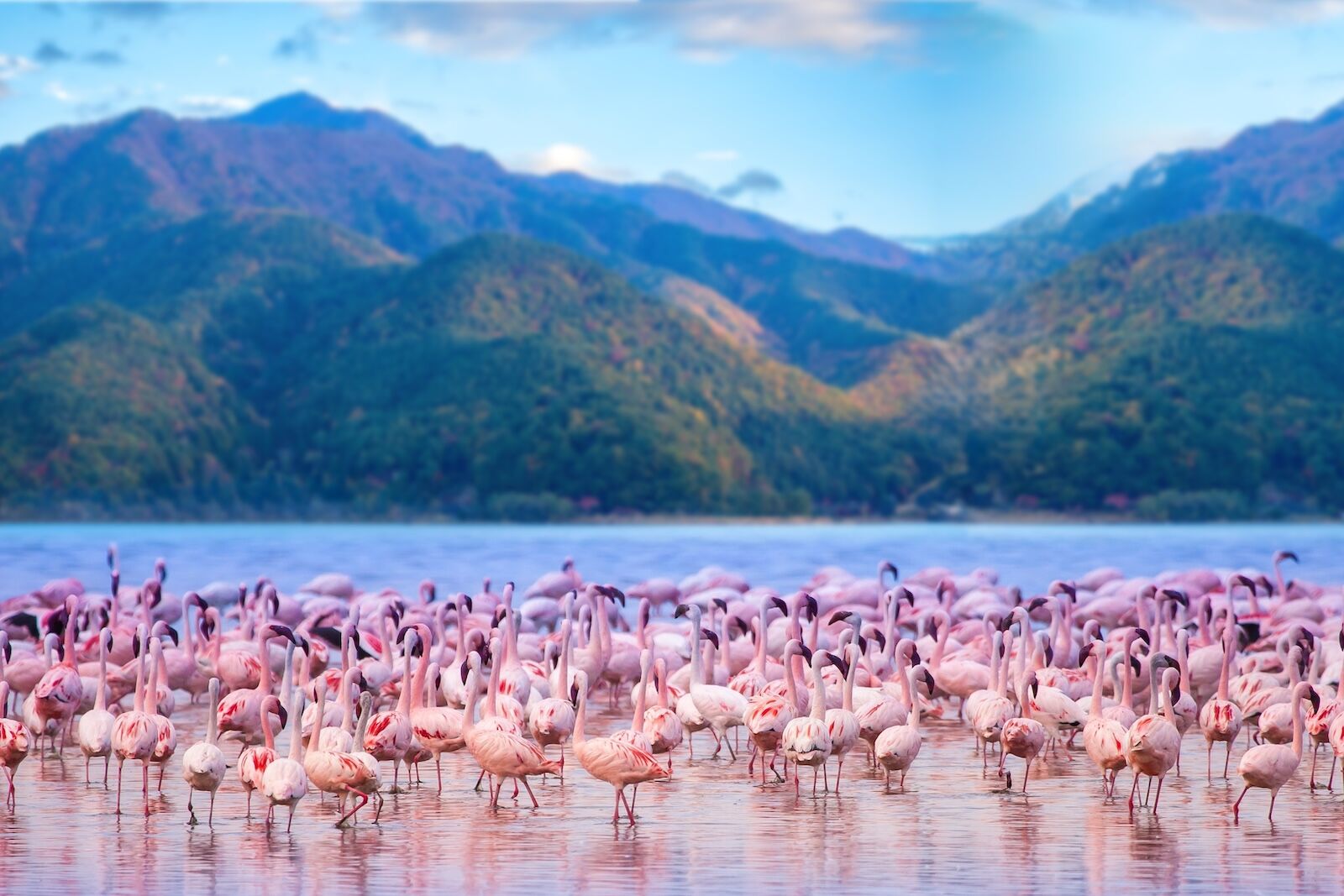
Lake Nakuru, once renowned for its vast, predictable spectacle of pink flamingos blanketing its surface, is experiencing a significant and less predictable presence of these birds. This iconic image of East African wildlife, frequently featured on postcards and in nature documentaries, is becoming increasingly difficult to witness. While tens of thousands of flamingos still gather at Lake Nakuru, the continuous, dense population that defined its fame has diminished in reliability. The primary driver behind this change is the alteration of the lake's own environment.
A 2024 study published in the journal Current Biology analyzed two decades of satellite data from multiple East African lakes known for their high flamingo populations. This research revealed that escalating water levels have led to a dilution of the lake's water, causing its pH to decrease and shift from a highly alkaline state towards a more neutral composition. This chemical alteration is detrimental to the specialized algae that form the primary food source for flamingos. As the availability of this algae declines, the birds are compelled to seek sustenance elsewhere, leading to their departure from the lake.
Lake Nakuru exemplifies this trend with particular severity. Between 2009 and 2022, the lake's surface area expanded by 91 percent. Concurrently, the population of the algae essential for flamingo sustenance is estimated to have dropped by approximately half during the same period. Park officials have corroborated these findings. At a 2022 conference, Senior Warden Edward Karanja stated that the rising water levels "has altered the flamingo habitat which has lead to reduced number of flamingos in the lake." This environmental shift is directly linked by leading researchers to the broader impacts of climate change. A warmer atmosphere retains more water vapor, resulting in more intense rainfall events when precipitation occurs.
Scientists also identify human development in the elevated regions surrounding the lake as a contributing factor to the rising water levels. The clearing of forests in these areas leads to increased surface runoff, as rainfall directly enters the lake instead of being gradually absorbed, retained, and released by vegetation and soil. This unchecked runoff exacerbates the water level increase, further stressing the delicate ecosystem that supports Lake Nakuru's famous flamingo population. The combined effects of climate change and land-use practices are fundamentally reshaping this renowned natural wonder, challenging its ability to sustain the massive flocks that once characterized it.
Original source — read the full reporting at the publisher:
Read on Matador NetworkGet the weekly AI digest
AI news + new model releases, weekly. Drafted by our agents, reviewed by humans.