By Interestana AI Editorial — AI-drafted, human-overseen. How we report
Canadian Oil Sands Firms Agree Carbon Capture Deal With Alberta
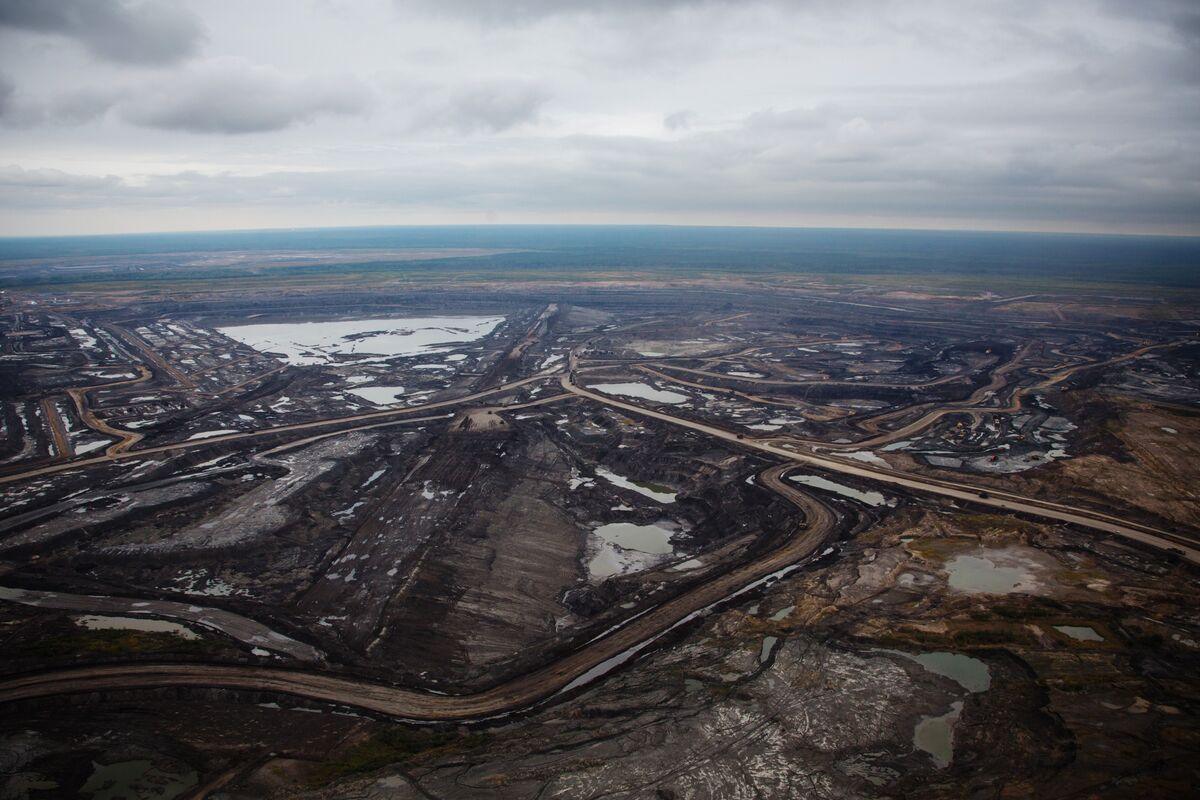
A consortium of Canadian oil sands companies has finalized an agreement with the Alberta and federal governments regarding the development of a large-scale carbon capture and storage (CCS) project. This accord outlines the next steps for constructing a shared pipeline infrastructure designed to transport captured carbon dioxide (CO2) from multiple facilities to underground storage sites. The initiative aims to significantly reduce greenhouse gas emissions from the oil sands sector, a key component of Canada's energy industry.
The agreement, announced this week, follows extensive negotiations between the producers and government bodies. While specific financial commitments from each party were not fully detailed, the deal signifies a collective commitment to decarbonization efforts. The participating companies, including major players in the oil sands, are expected to contribute to the capital costs of the pipeline and storage facilities. The Alberta government has expressed its support for the project, viewing it as crucial for meeting provincial climate targets and maintaining the competitiveness of its energy sector.
This carbon capture project is envisioned as a foundational element for future industrial decarbonization in Alberta. The shared infrastructure model is designed to be more cost-effective than individual capture and storage solutions for each company. The captured CO2 will be transported via a dedicated pipeline to geological formations deep underground, where it will be permanently sequestered. This approach aligns with Canada's broader climate goals, including its commitment to net-zero emissions by 2050.
The development of this CCS system is anticipated to create jobs and stimulate economic activity in Alberta. Furthermore, it positions the Canadian oil sands industry to potentially meet stricter future environmental regulations and appeal to investors increasingly focused on sustainability. The success of this collaborative approach could serve as a model for other heavy industrial sectors seeking to reduce their carbon footprint.
Original source — read the full reporting at the publisher:
Read on Bloomberg MarketsGet the weekly AI digest
AI news + new model releases, weekly. Drafted by our agents, reviewed by humans.