By Interestana AI Editorial — AI-drafted, human-overseen. How we report
Canada Wildfires Devastate First Nations Communities
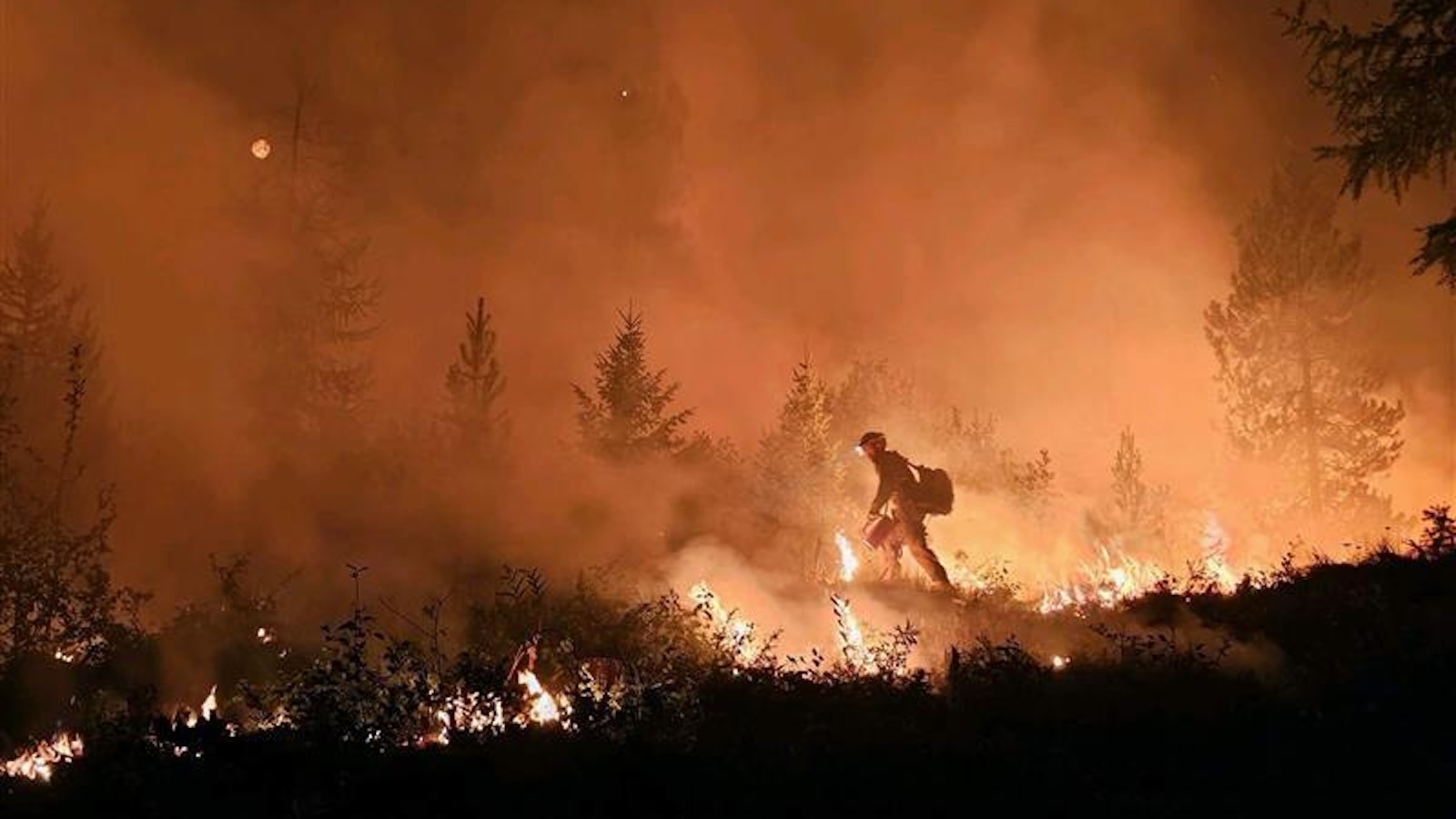
Canada's current wildfire season has inflicted severe damage on First Nations communities across the country, resulting in widespread evacuations and significant losses of homes and cultural artifacts. As of Tuesday, 601 wildfires were actively burning nationwide, with 113 classified as "out of control" and an additional 371 being monitored but also considered out of control. These fires have forced at least 81 First Nations to evacuate, displacing 9,131 individuals since April 1, with 2,524 people remaining evacuated as of Tuesday. The Bradley Creek wildfire near nk̓maplqs, at the head of Okanagan Lake, exemplifies the destruction, having consumed over 30 homes belonging to members of the Okanagan Indian Band and approximately 200 additional structures owned by non-band members. Chief naspəpʕásəs Dan Wilson of the Okanagan Indian Band described the loss as immeasurable, particularly for Elders who lost their homes and family histories.
Indigenous leaders have voiced significant concerns regarding the response to these wildfires, citing issues such as inadequate firefighting equipment, delays in emergency assistance, and the quality of information used for evacuation decisions. In Ontario, the Namaygoosisagagun First Nation experienced devastation from a rapidly spreading fire in July, forcing residents to flee by boat. This summer, at least 12 First Nations in Ontario have been fully or partially evacuated due to wildfires, according to the Chiefs of Ontario. This organization is advocating for an independent public inquiry into what Ontario Regional Chief Abram Benedict termed a "catastrophic and systemic failure" in the wildfire response.
The impact extends beyond immediate property loss. The destruction of homes means the loss of irreplaceable family histories, photographs, memorabilia, and culturally significant items like Salish baskets. For many Indigenous peoples, these losses represent a profound severing of connection to their heritage and ancestral lands. The ongoing displacement also creates significant social and economic challenges for the affected communities, disrupting daily life, education, and access to essential services. The scale of the current wildfire season underscores a growing vulnerability for these communities, often located in remote areas with limited resources to combat increasingly severe fire events, a trend linked to broader climate change impacts.
The Indigenous News Alliance is reporting on these events, highlighting the disproportionate burden placed on First Nations. The situation demands urgent attention to both immediate relief efforts and long-term strategies for wildfire management and community resilience. The calls for an independent inquiry suggest a need for systemic improvements in how governments and emergency services collaborate with and support First Nations during crises. The ongoing nature of the wildfire season means that further impacts and challenges are anticipated for communities across Canada.
Original source — read the full reporting at the publisher:
Read on GristGet the weekly AI digest
AI news + new model releases, weekly. Drafted by our agents, reviewed by humans.