By Interestana AI Editorial — AI-drafted, human-overseen. How we report
Supplements for Aging Brains: Experts Cite 2 Key Biological Changes
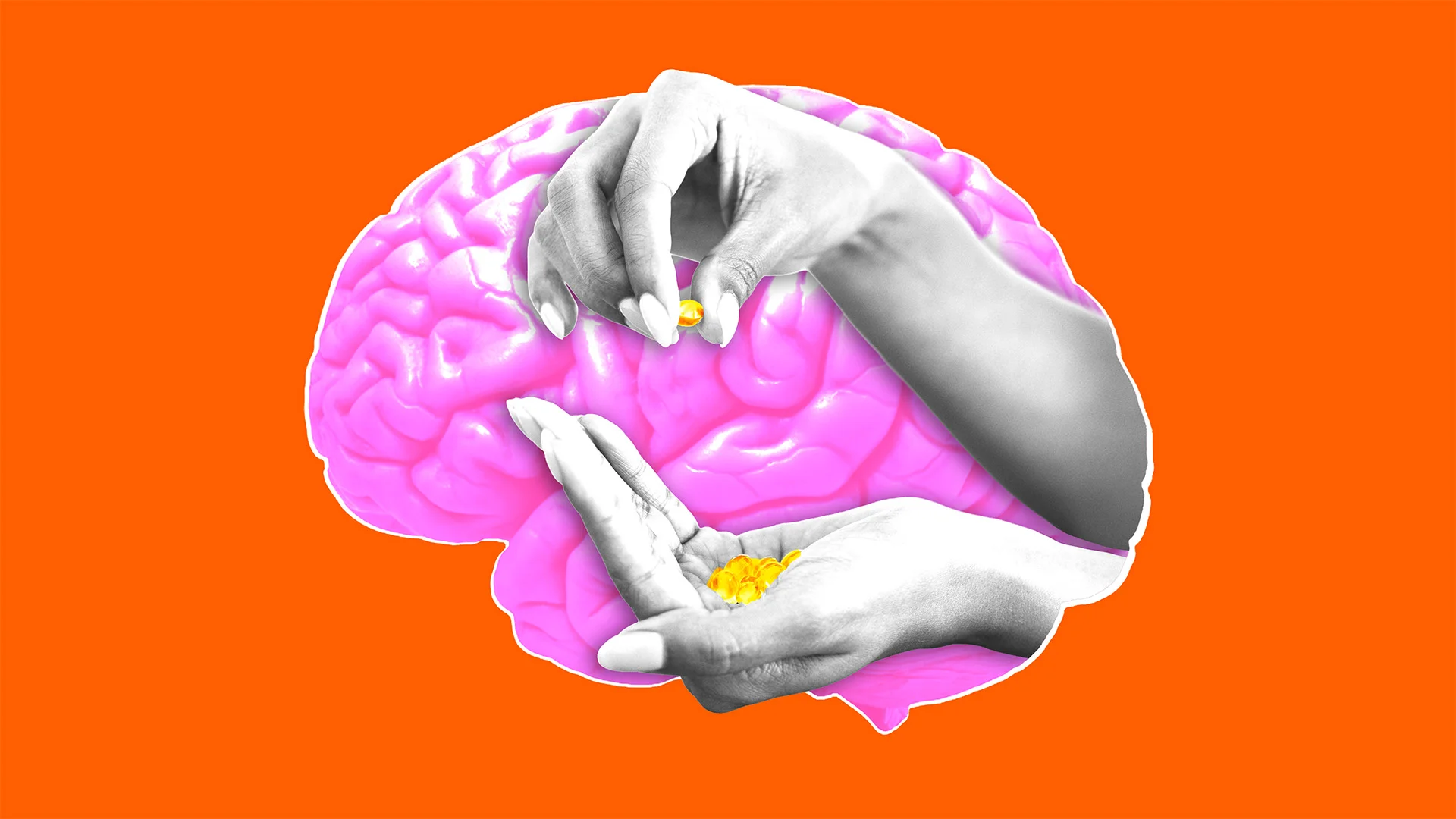
Preliminary research indicates that popular dietary supplements, including omega-3 fatty acids, glucosamine, and L-tyrosine, may exhibit altered behavior within the aging brain. This observation is prompting experts to re-examine the established safety and efficacy of daily supplement regimens for cognitive health in older adults. The core of this evolving understanding lies in two significant biological changes that occur as the brain ages, influencing how these compounds are processed and their potential impact.
One primary biological change involves alterations in the blood-brain barrier (BBB). The BBB is a highly selective semipermeable border that separates the circulating blood from the brain and extracellular fluid in the central nervous system. Its function is to protect the brain from fluctuations in blood composition and to keep potentially harmful substances from reaching the brain. As the brain ages, the integrity and selectivity of the BBB can become compromised. This means that substances, including supplements, that might not easily cross a younger, healthier BBB could potentially penetrate it more readily in an older brain. This increased permeability could lead to higher concentrations of supplement components in brain tissue, potentially altering their intended effects or introducing unforeseen consequences. For example, omega-3 fatty acids, known for their anti-inflammatory properties and role in neuronal membrane structure, might accumulate differently or interact with brain cells in ways not seen in younger individuals.
The second critical biological change relates to shifts in neurotransmitter systems and cellular metabolism. Aging is associated with changes in the production, reception, and breakdown of neurotransmitters, the chemical messengers that facilitate communication between neurons. Furthermore, the metabolic activity of brain cells can change, affecting how nutrients and other compounds are utilized. L-tyrosine, an amino acid precursor to dopamine and norepinephrine, is often taken to support cognitive function and mood. In an aging brain, the efficiency of these neurotransmitter pathways might be altered, meaning the impact of L-tyrosine supplementation could be different compared to a younger brain. Similarly, glucosamine, often taken for joint health but also studied for potential neuroprotective effects, might interact with aging cellular processes in ways that are not yet fully understood. These metabolic and neurotransmitter shifts can influence how the brain responds to external compounds, making the effects of supplements less predictable.
These biological shifts necessitate a more nuanced approach to supplement use for cognitive support in aging populations. While some supplements have shown promise in general populations, their specific benefits and risks in the context of an aging brain require further investigation. The preliminary findings suggest that what was once considered safe and beneficial might need re-evaluation as our understanding of brain aging deepens. Future research will likely focus on personalized approaches, considering individual biological profiles and the specific mechanisms by which supplements interact with the aging central nervous system. The goal is to ensure that interventions aimed at supporting brain health are both effective and safe for the long term.
Original source — read the full reporting at the publisher:
Read on Inc.Get the weekly AI digest
AI news + new model releases, weekly. Drafted by our agents, reviewed by humans.