By Interestana AI Editorial — AI-drafted, human-overseen. How we report
Butterflies Shift Habitats Globally Due to Climate Change
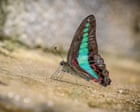
Butterflies, recognized as "sentinels of change," are exhibiting significant shifts in their geographic ranges and altitudes across all continents they inhabit, a phenomenon directly linked to escalating global temperatures and the resultant reshaping of their environments. A comprehensive global study, published in the peer-reviewed journal Nature Ecology & Evolution, indicates that approximately one in every ten butterfly species has already altered its distribution or elevation to adapt to these changing conditions. This widespread movement underscores the profound and observable impacts of climate change on biodiversity, serving as an early warning signal for broader ecological disruptions.
The research, which analyzed data from numerous butterfly populations worldwide, highlights that these shifts are not isolated incidents but rather a pervasive trend. Species are either expanding into new territories that have become climatically suitable or contracting their ranges as their historical habitats become inhospitable. Concurrently, many species are ascending to higher altitudes in mountainous regions, seeking cooler temperatures that mimic their original environments. This altitudinal migration is a critical adaptation strategy, but it also poses risks, as suitable high-altitude habitats may be limited or fragmented, potentially leading to population declines for species unable to adapt quickly enough or find new suitable areas.
Experts involved in the study emphasize that the observed changes in butterfly behavior and distribution are indicative of a larger ecological crisis. Butterflies, with their relatively short life cycles and specific habitat requirements, are particularly sensitive to environmental fluctuations. Their widespread movement serves as a tangible and visible indicator of the stress that ecosystems are under due to climate change. The findings suggest that if such sensitive species are already experiencing significant range shifts, other less conspicuous organisms, and potentially entire ecosystems, are likely facing similar or even more severe challenges. This necessitates urgent attention to climate mitigation and adaptation strategies to protect biodiversity and the ecological services it provides.
The implications of these butterfly migrations extend beyond mere ecological observation. Butterflies play vital roles in ecosystems, including pollination and serving as a food source for other animals. Disruptions to their populations and distributions can have cascading effects throughout the food web. The study's findings, therefore, contribute to a growing body of evidence that paints a stark picture of the current environmental state and the urgent need for global action to address the root causes of climate change. The research serves as a critical call to action for policymakers, conservationists, and the public to recognize the severity of the situation and implement measures to safeguard natural habitats and biodiversity for future generations.
Original source — read the full reporting at the publisher:
Read on The Guardian EnvironmentGet the weekly AI digest
AI news + new model releases, weekly. Drafted by our agents, reviewed by humans.