By Interestana AI Editorial — AI-drafted, human-overseen. How we report
Drones Revolutionize Conservation Efforts Across African Nature Reserves
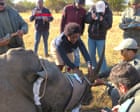
A technological revolution is underway in Africa's nature reserves, with drones emerging as a critical tool for conservation efforts. Graduates of an online training course, comprising conservation professionals from across the continent, have gathered at Lapalala Wilderness nature reserve in South Africa’s Limpopo province to witness and participate in advanced drone deployment for wildlife monitoring and anti-poaching operations. This initiative, spearheaded by the Connected Conservation Foundation (CCF), aims to integrate advanced technology into the vital work of protecting endangered species and their habitats.
During a demonstration on a cold night, instructor Jacques Viljoen deployed a thermal drone to search for a lone cheetah within the Lapalala Wilderness reserve. Duncan Kanyakera from Tsavo, Kenya, and twenty other conservation professionals from eleven African countries, including Benin, Liberia, the Democratic Republic of the Congo, and Madagascar, observed the operation on an open-air screen. Many of these participants earned their spots at Lapalala after excelling in the Protected Area Technicians (PAT) online training program offered by the CCF. Additionally, five staff members from Peace Parks, an organization dedicated to conservation in southern Africa, are also undergoing this specialized training.
The integration of drone technology into conservation is seen as a significant advancement, offering enhanced capabilities for surveillance, data collection, and rapid response. Drones equipped with thermal imaging can detect animals, including poachers, in challenging conditions, such as darkness, providing crucial intelligence for rangers on the ground. This technology allows for more efficient and less intrusive monitoring of wildlife populations, habitat assessment, and the identification of threats like illegal logging or poaching activities. The CCF's PAT program is designed to equip these professionals with the skills necessary to operate and maintain these advanced tools, fostering a new generation of tech-savvy conservationists across Africa.
The broader implications of this technological rollout extend to improving the effectiveness of anti-poaching units, reducing the risks faced by rangers, and optimizing resource allocation within protected areas. By providing real-time aerial perspectives, drones can help track animal movements, monitor herd health, and identify critical ecological corridors. The collaborative nature of the training, bringing together professionals from diverse national backgrounds, also fosters knowledge sharing and the development of continent-wide best practices for drone-assisted conservation. This initiative underscores a growing recognition that innovative technological solutions are indispensable in the face of escalating environmental challenges and the persistent threat of wildlife crime.
Original source — read the full reporting at the publisher:
Read on The Guardian EnvironmentGet the weekly AI digest
AI news + new model releases, weekly. Drafted by our agents, reviewed by humans.