Bonds Face Iran Risk: MLIV Analysts Discuss
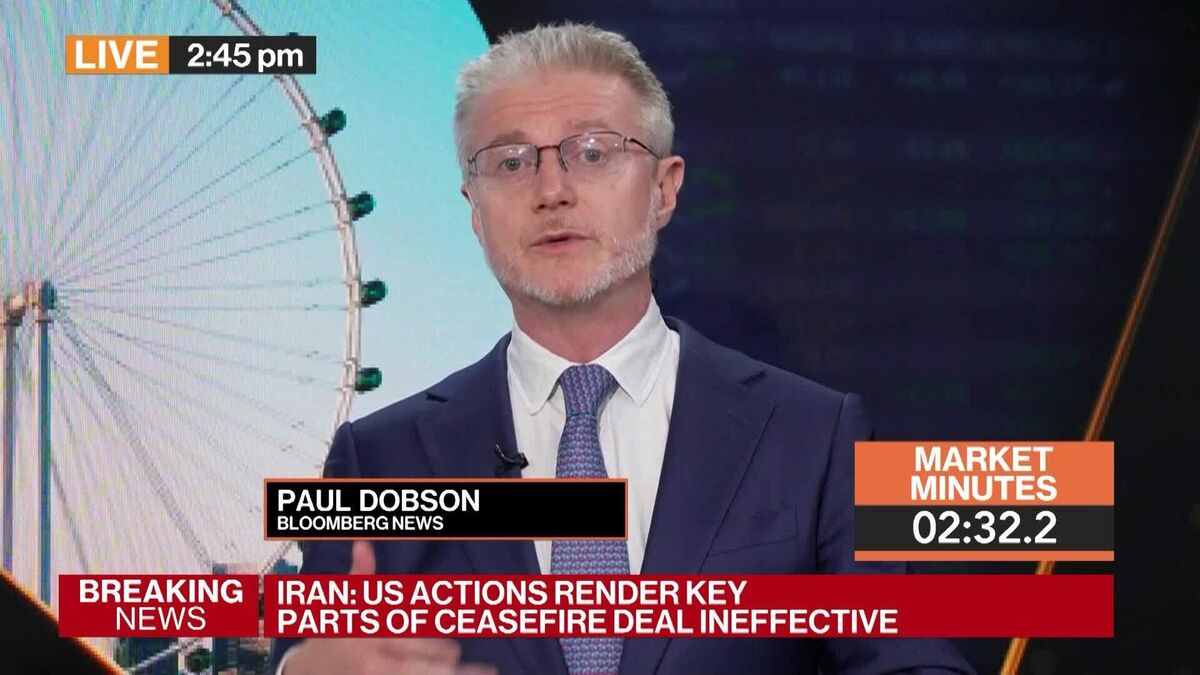
Bond markets are exhibiting vulnerability to geopolitical developments, particularly those involving Iran, according to analysis presented on "Bloomberg: The Opening Trade." Anna Edwards, Guy Johnson, and Paul Dobson highlighted how such events can introduce uncertainty, potentially influencing inflation expectations and, consequently, central bank policy.
The discussion emphasized that while the direct impact on oil supply might be contained, the broader sentiment shift in global markets can lead investors to reassess risk premiums. This reassessment often translates into increased volatility in fixed-income markets, as investors seek safer havens or adjust their portfolios to account for potential supply chain disruptions or broader economic slowdowns.
Analysts pointed to the delicate balance central banks are trying to maintain between controlling inflation and supporting economic growth. Geopolitical shocks, like those emanating from the Middle East, can complicate this task by pushing inflation higher or dampening demand, forcing difficult policy decisions. The three-minute segment suggested that investors should closely monitor these developments for potential shifts in interest rate trajectories.
Specific attention was given to how different segments of the bond market might react. For instance, longer-duration bonds could become more sensitive to inflation surprises, while shorter-term instruments might reflect immediate policy rate expectations. The overarching theme was the interconnectedness of geopolitical stability, inflation, and monetary policy, with bonds serving as a key barometer for these dynamics.
Original source — read the full reporting at the publisher:
Read on Bloomberg Markets