China Cites Trump Remarks in Taiwan Envoy Criticism
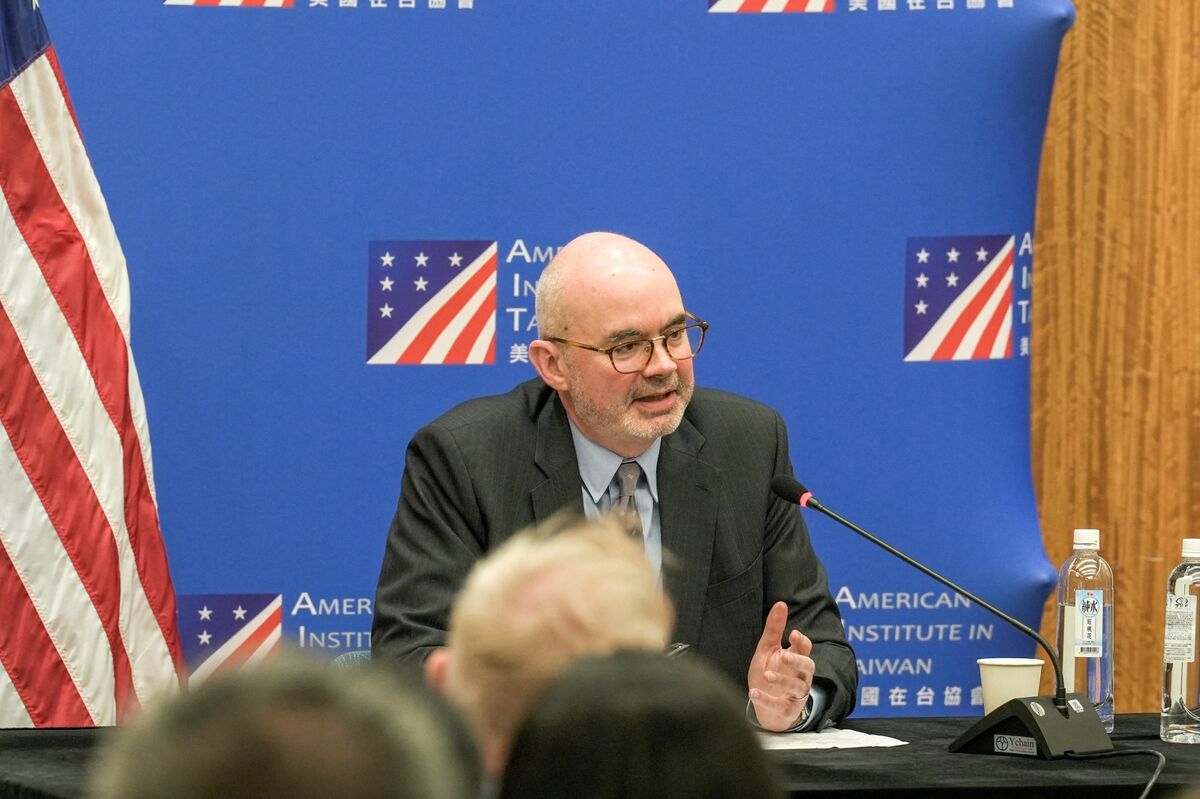
China publicly criticized the top US diplomat in Taiwan, a rare move that invoked remarks made by former US President Donald Trump. The Chinese Foreign Ministry cited specific statements attributed to Trump to argue that the actions of the US envoy, Nicholas Burns, are destabilizing cross-strait relations and undermining the One China principle. This criticism highlights a strategic use of past US political rhetoric by Beijing to challenge current US policy towards Taiwan.
The Chinese Foreign Ministry spokesperson, Mao Ning, stated during a regular press conference on Tuesday that Burns's recent activities and public statements have been "extremely wrong" and have "seriously violated" the spirit of the US's commitment to the One China policy. While not directly quoting Trump, the ministry alluded to his past comments regarding trade and international relations, suggesting a potential shift in US foreign policy under his potential future administration that China seeks to leverage. This approach marks a departure from typical diplomatic exchanges, which usually focus on current policy rather than past presidential statements.
Nicholas Burns, the US Ambassador to China, has been a vocal proponent of strengthening US-Taiwan ties and has frequently spoken about the importance of maintaining peace and stability in the Indo-Pacific region. His engagements in Taiwan have included meetings with Taiwanese officials and public addresses emphasizing US support for the island's democracy. Beijing views such interactions as direct challenges to its sovereignty claims over Taiwan and a violation of diplomatic protocols.
The Chinese government's decision to publicly engage with Trump's past remarks suggests a calculated effort to sow discord within US foreign policy circles and potentially appeal to a segment of the US electorate that may be receptive to a more transactional or isolationist approach to international affairs. This tactic aims to frame US policy towards Taiwan not as a bipartisan consensus but as a potentially divisive issue within the United States, thereby weakening international support for Taiwan.
Original source — read the full reporting at the publisher:
Read on Bloomberg Markets