By Interestana AI Editorial — AI-drafted, human-overseen. How we report
Western Australia Wildflowers Bloom After Early Rains
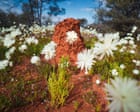
Western Australia's annual wildflower season has commenced, presenting a vibrant spectacle of native blooms across the state. The early onset of winter rains has significantly contributed to the flourishing displays, transforming landscapes into colourful carpets. This year's season is particularly notable for its early start and the intensity of the floral displays, drawing attention to the natural beauty of the region.
A prime example of this phenomenon can be observed at Inyarrimanha Ilgari Bundara, the Murchison Radio-astronomy Observatory operated by the Commonwealth Scientific and Industrial Research Organisation (CSIRO). Situated on Wajarri Yamaji country in Western Australia's remote mid-west, the observatory's grounds are now surrounded by a breathtaking array of native wildflowers. The presence of these blooms highlights the ecological richness of the area, even in a location dedicated to scientific research.
The Murchison region is renowned for its unique flora, and the timely rainfall has allowed these species to thrive. Wildflowers in Western Australia are a significant draw for tourism, with visitors travelling from afar to witness the ephemeral beauty of the blooming landscapes. The season typically spans several months, with different species flowering at various times and in different locations, offering a dynamic and evolving natural exhibition.
Botanists and environmentalists often point to the health of wildflower populations as an indicator of the broader ecosystem's well-being. The abundance and diversity of blooms this year suggest a healthy environment, resilient to potential challenges. The CSIRO's Murchison Radio-astronomy Observatory, while primarily focused on radio astronomy, is situated within an area of significant biodiversity, underscoring the importance of preserving natural habitats alongside scientific endeavors. The visual impact of the wildflowers surrounding the observatory's sensitive equipment serves as a striking juxtaposition of technological advancement and natural wonder.
The phenomenon of Western Australia's wildflowers is a testament to the region's unique biodiversity and the critical role of seasonal rainfall patterns. The early rains this year have provided the necessary moisture for germination and growth, leading to the widespread and spectacular displays now being witnessed. This natural event not only enhances the aesthetic appeal of the landscape but also supports local ecosystems by providing food and habitat for various native fauna. The visual impact is significant, with vast areas becoming awash in a multitude of colours, from deep reds and vibrant yellows to soft purples and delicate whites, creating a truly immersive natural experience for those fortunate enough to witness it.
Original source — read the full reporting at the publisher:
Read on The Guardian EnvironmentGet the weekly AI digest
AI news + new model releases, weekly. Drafted by our agents, reviewed by humans.