By Interestana AI Editorial — AI-drafted, human-overseen. How we report
US Air Monitors Decline, Limiting Pollution Oversight
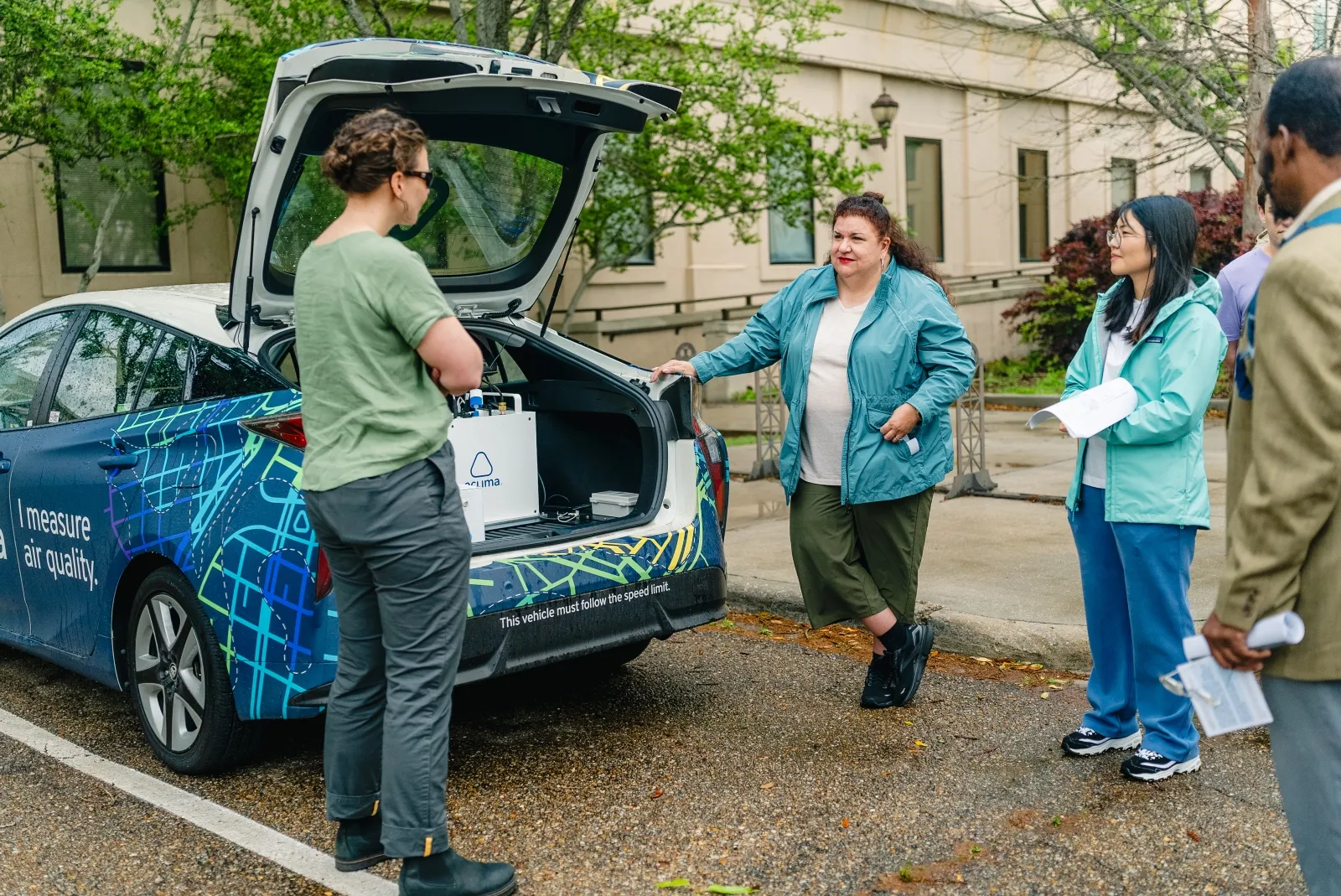
The United States' public air monitoring system has significantly weakened over recent decades due to declining federal funding, resulting in fewer operational monitors and aging equipment often situated far from major industrial polluters. This decline coincides with increasing air quality threats from wildfire smoke, pollution from data centers, and exacerbated ozone levels due to climate-driven heat waves. Concurrently, the Trump administration implemented policies that delayed and rolled back regulations intended to hold companies accountable for their emissions, further diminishing oversight capabilities. As the official monitoring infrastructure has deteriorated, communities have increasingly adopted low-cost sensors for self-monitoring. However, a Floodlight investigation reveals that industry groups are actively working to restrict the use of this community-collected data. Since 2024, legislative bodies in Louisiana, Ohio, and Kentucky have enacted laws, supported by chemical and manufacturing trade organizations, that limit the use of community-gathered air quality data in regulatory enforcement actions. These bills mandate that such data must meet EPA-approved standards to be considered for enforcement, effectively blocking its use if it does not. Proponents of these measures consistently argue that community monitoring lacks sufficient reliability for regulatory purposes. Despite these claims, when West Virginia considered a bill aimed at ensuring the accuracy of community monitoring, industry representatives opposed it. An internal email from an official at the chemical company Chemours stated that the proposed bill "essentially codifies what we are trying to prevent," indicating a resistance to standardized or publicly accessible data collection. The nation's air quality early-warning system, comprised of thousands of small instruments, is facing a critical juncture as its capacity to detect dangerous air conditions diminishes. This erosion of monitoring infrastructure leaves the public with limited means to ascertain the safety of the air they breathe and reduces the ability to hold polluters accountable. The Louisiana Environmental Action Network, for instance, had its air monitoring grant canceled by the Trump administration in the previous year, illustrating the impact of federal funding shifts on community-based environmental initiatives. The trend of legislative restrictions on community data, coupled with the decline in federal monitoring, creates a significant challenge for environmental justice and public health advocacy.
Original source — read the full reporting at the publisher:
Read on GristGet the weekly AI digest
AI news + new model releases, weekly. Drafted by our agents, reviewed by humans.