By Interestana AI Editorial — AI-drafted, human-overseen. How we report
Bill Aims to Stop Lawmaker Election Betting
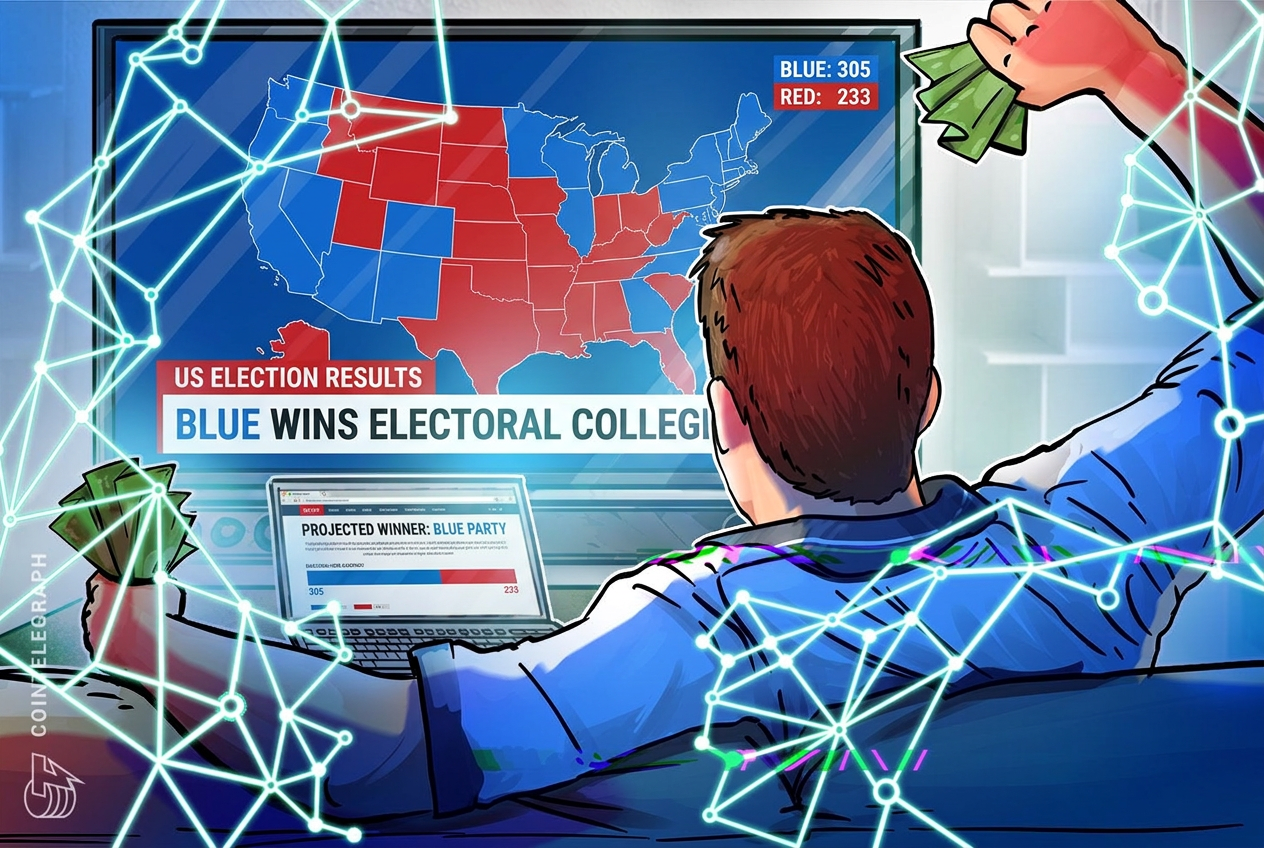
A legislative proposal, known as the No Betting on Your Own Race Act, has been introduced with the objective of prohibiting United States lawmakers from engaging in financial activities that could be perceived as insider trading or profiting from non-public information related to elections. The core intent of this bill is to enhance ethical standards and public trust within Congress by preventing elected officials from placing bets or making investments based on their foreknowledge of election results or legislative outcomes. This measure aims to create a clearer boundary between public service and personal financial gain, particularly in the sensitive arena of electoral processes.
However, the legislative timeline for the No Betting on Your Own Race Act presents a significant hurdle. According to reports, the bill will not be considered by Congress before the upcoming 2026 US midterm elections. This is primarily due to the current congressional recess schedule, which extends beyond the election period. Consequently, the proposed legislation will not be in effect for the next cycle of midterm elections, leaving a potential loophole for the activities it seeks to curb. The timing of the recess means that lawmakers will return to Washington D.C. after the 2026 midterms have concluded, rendering the bill's immediate impact moot for that electoral cycle.
The introduction of such a bill reflects a broader ongoing debate and concern surrounding the financial dealings of members of Congress. Previous legislative efforts and public scrutiny have focused on stock trading by lawmakers, leading to the STOCK Act (Stop Trading on Congressional Knowledge Act of 2012), which requires members of Congress to disclose their stock trades. The No Betting on Your Own Race Act appears to be an extension of this regulatory push, specifically targeting the practice of betting on election outcomes, which is seen by proponents as a more direct and egregious form of potential corruption or conflict of interest. The bill's proponents argue that allowing lawmakers to bet on elections undermines the integrity of the democratic process and creates an uneven playing field.
The implications of the bill, should it eventually pass, would extend to all members of the House of Representatives and the Senate. It would likely involve strict disclosure requirements and penalties for violations, aiming to deter any attempts by lawmakers to leverage their positions for personal financial benefit through election-related wagers or investments. The effectiveness of the bill would depend on its specific enforcement mechanisms and the clarity of its definitions regarding what constitutes prohibited betting or trading. As it stands, the bill's passage and implementation remain uncertain, particularly given its current inability to influence the 2026 midterm elections.
Original source — read the full reporting at the publisher:
Read on CoinTelegraphGet the weekly AI digest
AI news + new model releases, weekly. Drafted by our agents, reviewed by humans.