By Interestana AI Editorial — AI-drafted, human-overseen. How we report
Driverless Cars Shift Brand Value to Internal AI Systems
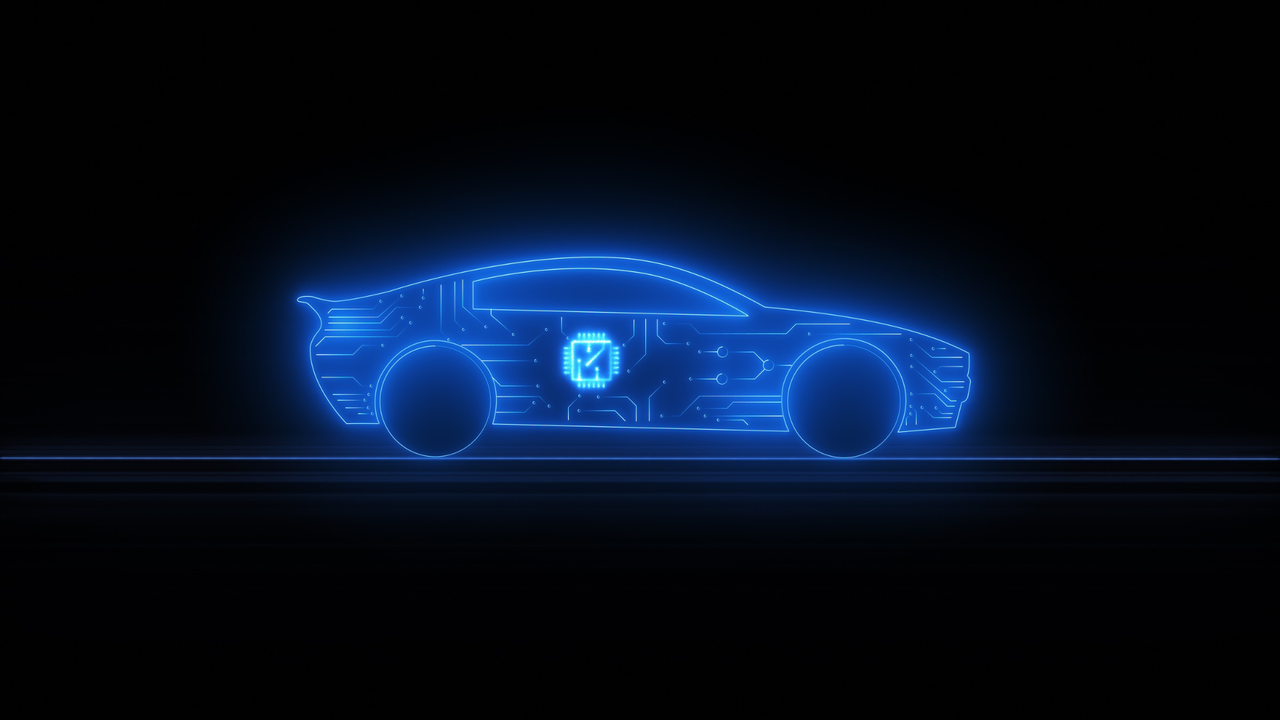
The burgeoning driverless car industry is confronting a fundamental branding challenge: as vehicles transition from owned possessions to summoned services, the traditional brand loyalty associated with car manufacturers like Ford or Volkswagen is diminishing. Instead, the decision-making process for consumers is shifting towards the invisible, yet critical, internal systems that power these autonomous vehicles. This evolution necessitates a new approach to branding, focusing on the "insider-out" experience, where the brand identity resides within the car's technology and the user's interaction with it.
This "insider-out" branding strategy emphasizes the components and services that constitute the autonomous driving experience. Consumers will increasingly choose a service based on the reliability and sophistication of its artificial intelligence, safety and crash-avoidance systems, seamless connectivity, and the interior's suitability for work or relaxation. The car itself is becoming a platform, and the brands that will capture consumer attention and trust are those providing the underlying intelligence and integrated services. This phenomenon is already observable, with companies like Waymo promoting their "Waymo Driver," Tesla marketing "Autopilot" and "Full Self-Driving," Mobileye building an ingredient brand around its vision technology, and Mercedes-Benz naming its automated system "Drive Pilot."
The migration of brand value from the exterior of the vehicle to its internal technological components mirrors historical shifts in other industries. The personal computer market provides a salient example. As desktop computers became commoditized hardware, the dominant brand value captured was not from the computer manufacturers themselves, but from the internal processors. Intel, with its "Intel Inside" campaign and the "Pentium" processor name, successfully transformed an invisible component into a recognizable and sought-after feature by consumers. This strategy allowed Intel to become a brand that customers specifically requested, demonstrating the power of branding invisible technology.
This precedent suggests that as products increasingly dissolve into software and integrated services, the branding emphasis for autonomous vehicles will inevitably follow a similar trajectory. The companies that successfully brand their AI, safety systems, connectivity solutions, and user interfaces will likely be the ones to build trust and command consumer preference in the driverless economy. The challenge for the industry is to articulate the value and build recognition for these internal brands in a way that resonates with consumers who are no longer making purchasing decisions based on traditional automotive marques but on the quality of the summoned service and the intelligence powering it. The future of driverless car branding lies in making the invisible visible and trustworthy.
Original source — read the full reporting at the publisher:
Read on Fast CompanyGet the weekly AI digest
AI news + new model releases, weekly. Drafted by our agents, reviewed by humans.