By Interestana AI Editorial — AI-drafted, human-overseen. How we report
Fauci's Pandemic Diary Released in Senate Hearing
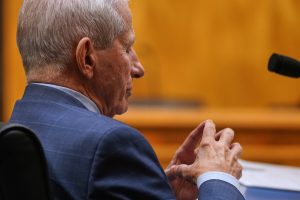
Dr. Anthony Fauci's personal diary entries were presented during a contentious Senate hearing on Wednesday, becoming a focal point in the ongoing debate surrounding the origins of the COVID-19 pandemic. Senator Rand Paul, a Republican from Kentucky, who has long accused Fauci of misrepresenting information about the virus's origins, released over 1,000 pages of these diary entries. Fauci, the former director of the National Institute of Allergy and Infectious Diseases (NIAID) and a key figure in the U.S. pandemic response, invoked his Fifth Amendment right against self-incrimination and declined to answer further questions during the hearing. Senator Paul argued that these private records suggest a "different story" than what Fauci conveyed to the public. Some of the diary's content had previously appeared in Fauci's 2024 memoir and in interviews, detailing the initial uncertainty faced by scientists grappling with a novel virus. For instance, an entry from January 26, 2020, discussed the virus's origins, noting that "it now appears using epi data and genomic data that the first infection was in early December and was not connected to the market." This entry further stated that infections had spread among people "weeks before the Chinese reported that they were dealing with a new infection," allowing the virus to establish "multigenerational (sustained) spread." The diary also revealed early Chinese government claims that there was "no human to human transmission" and that the initial 27 cases were linked to a market, a narrative that has since been challenged by scientific findings. Beyond the scientific discussions, the diary also offered glimpses into Fauci's personal life during the pandemic. One entry mentioned a "starstruck" encounter with actress Julia Roberts. Another entry detailed a conversation with then-President Donald Trump, who reportedly "gasped for oxygen" during a discussion about the virus. These personal anecdotes, while not directly related to the scientific inquiry into the virus's origins, provided a broader context of the pandemic's impact on individuals, including high-profile figures. The release of these diary entries has reignited discussions about transparency and the communication of scientific information during public health crises. Critics, like Senator Paul, suggest that the diary entries reveal inconsistencies between Fauci's private thoughts and his public pronouncements, potentially undermining public trust. Supporters, however, point to the diary as evidence of the immense pressure and uncertainty scientists faced in the early days of the pandemic, emphasizing that their understanding of the virus evolved rapidly. The Health Secretary Robert F. Kennedy Jr. stated that his agency extracted these government computer records and provided them to the committee, a process that has also drawn scrutiny. The diary's contents, spanning from the early stages of the pandemic to later periods, are expected to be further analyzed by lawmakers and the public as they continue to grapple with the complex legacy of the COVID-19 era.
Original source — read the full reporting at the publisher:
Read on FortuneGet the weekly AI digest
AI news + new model releases, weekly. Drafted by our agents, reviewed by humans.