By Interestana AI Editorial — AI-drafted, human-overseen. How we report
Upright Posture Boosts Mood and Risk-Taking, Study Finds
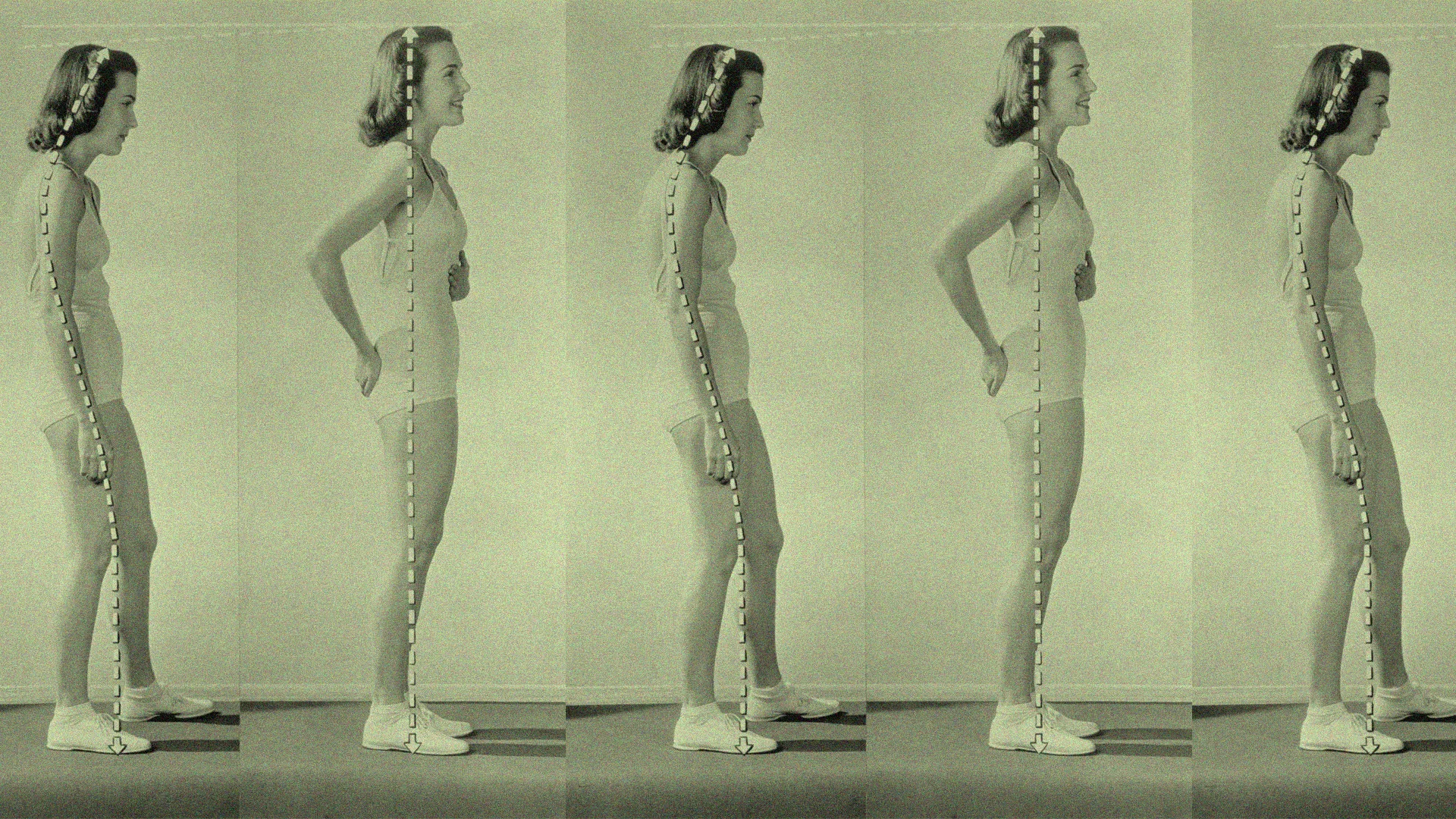
Adopting an upright posture can significantly influence not only physical well-being but also psychological states, including mood and decision-making processes related to risk. A study conducted by McGill University investigated the effects of different sitting postures on participants' emotional states and their willingness to engage in rewarding activities. The research found a distinct correlation between maintaining an upright posture and experiencing an improved mood. Participants who sat upright reported feeling better emotionally compared to those who adopted a slumped posture.
Furthermore, the study revealed that sitting upright had a tangible impact on how individuals approached and evaluated risks. The findings indicate that participants in an upright posture were more inclined to take on risks that offered potentially greater rewards. This suggests that body posture can act as a modulator for cognitive processes, specifically in the realm of risk assessment and reward seeking. The researchers observed that the upright posture seemed to foster a more optimistic outlook, which in turn influenced participants' risk tolerance. This effect was not merely subjective; it was measured through behavioral responses to decision-making tasks.
The implications of these findings extend beyond individual behavior and could have significant applications in environmental and workplace design. The study suggests that the physical setup of environments, particularly workspaces, could be optimized to encourage postures that promote both positive mood and effective decision-making. By designing spaces that naturally facilitate upright sitting, organizations might be able to foster a more positive and productive work atmosphere. This could involve considerations for chair design, desk height, and overall office layout to encourage better posture. The research highlights a simple yet powerful intervention – posture – that can influence complex psychological outcomes.
The McGill University study provides empirical evidence for the mind-body connection, demonstrating how a physical stance can affect mental states and cognitive functions. While previous research has often linked poor posture to physical discomfort and pain, this study sheds light on its role in mood regulation and risk-taking behavior. The researchers meticulously designed experiments to isolate the effects of posture, controlling for other variables that might influence mood or decision-making. The results underscore the importance of considering the physical environment's influence on psychological well-being and performance. The study's lead researchers are exploring further avenues to understand the neurological mechanisms underlying these observed effects and to develop practical strategies for implementing these findings in real-world settings, such as schools and offices.
Original source — read the full reporting at the publisher:
Read on Inc.Get the weekly AI digest
AI news + new model releases, weekly. Drafted by our agents, reviewed by humans.