By Interestana AI Editorial — AI-drafted, human-overseen. How we report
Patricio Guzmán, Chilean Director, Dies at 85
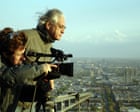
Patricio Guzmán, the acclaimed Chilean documentary filmmaker renowned for his unflinching yet poetic explorations of the impact of the Pinochet regime and subsequent political turmoil in Chile, has died at the age of 85. According to Chilean news outlet Emol, Guzmán passed away on Tuesday in Paris following a cardiorespiratory arrest. His death marks the end of a distinguished career dedicated to chronicling the profound and lasting effects of historical events on his homeland and its people.
Guzmán's cinematic oeuvre was largely defined by his deep engagement with the violent 1973 coup d'état led by Augusto Pinochet, which overthrew Chile's democratically elected president, Salvador Allende. This pivotal event and its aftermath became a central, recurring theme in his filmmaking. In a 2012 interview with The Guardian, Guzmán reflected on the enduring influence of the dictatorship, stating, "I'm a film-maker who was very marked by the ways of the dictator. It has remained with me for ever. I cannot leave it behind." Despite the political weight of his subject matter, Guzmán consistently resisted categorization as a purely political filmmaker or activist. He described his approach as metaphorical and poetic, emphasizing his role as an interpreter of reality through a personal lens, rather than as a sociologist or politician.
Among his most celebrated works are "The Battle of Chile," a monumental three-part documentary that captured the political upheaval of the early 1970s, and "Nostalgia for the Light," a poignant film that connected the astronomical observations of astronomers in the Atacama Desert with the search for the remains of victims of the Pinochet regime. These films, along with others such as "The Cordillera of Dreams" and "The Pearl Button," earned him international acclaim and numerous awards, solidifying his reputation as one of Latin America's most significant documentary filmmakers. His ability to weave personal narratives with broader historical and social commentary provided audiences with profound insights into memory, trauma, and resilience.
Guzmán's career spanned over five decades, during which he produced more than a dozen feature-length documentaries. His dedication to bearing witness to historical injustices and exploring the human condition resonated globally, influencing a generation of filmmakers and drawing attention to the complex legacy of political repression. His passing is a significant loss to the world of documentary cinema, leaving behind a powerful and enduring body of work that continues to provoke thought and inspire dialogue about history, memory, and justice.
Original source — read the full reporting at the publisher:
Read on The Guardian CultureGet the weekly AI digest
AI news + new model releases, weekly. Drafted by our agents, reviewed by humans.