Qatar LNG Exports Lag as Shipping Risks Persist
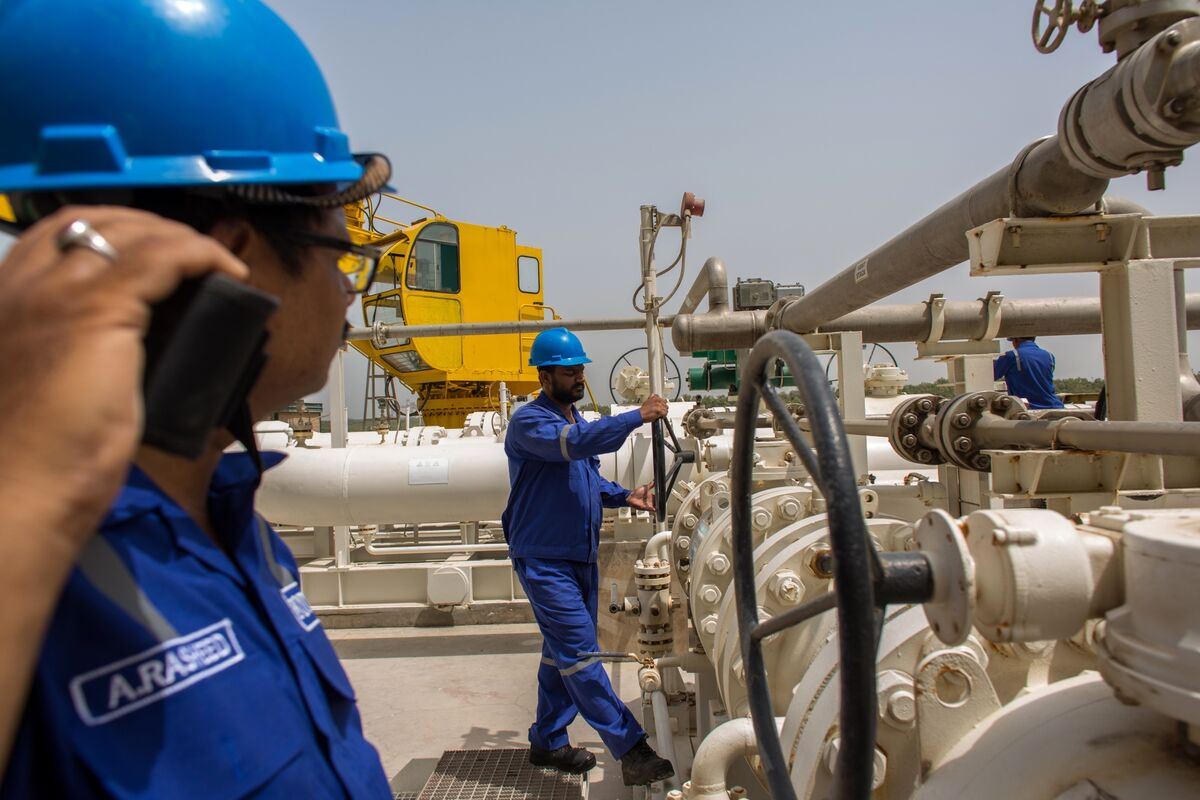
Qatar's liquefied natural gas (LNG) exports are experiencing a slower-than-expected revival, even as shipping routes through the Strait of Hormuz have become less perilous. The anticipated surge in LNG shipments from Qatar, a major global supplier, has been tempered by ongoing concerns among shipping companies regarding the safety of transit. While oil tanker traffic has largely resumed normal operations, gas carriers are demonstrating greater caution.
This cautious approach by gas tanker operators is directly affecting the volume of LNG reaching international markets. The delay in Qatar's export recovery means that buyers, particularly in Asia and Europe, are not seeing the immediate increase in supply that was hoped for. This situation could lead to sustained higher prices for LNG as demand outstrips the available, safely transported supply. The geopolitical climate, despite de-escalation in some areas, continues to cast a shadow over critical energy chokepoints.
Industry analysts suggest that the reluctance of gas tanker operators to fully commit to the Strait of Hormuz route stems from a combination of factors, including the lingering threat of regional instability and the high value of the cargo. The cost and complexity of insuring these voyages also play a significant role in decision-making. Consequently, the full potential of Qatar's expanded LNG production capacity is not yet being realized on the global stage, creating a supply-demand imbalance that benefits sellers.
The situation highlights the fragility of global energy supply chains and the significant impact that geopolitical risks can have on commodity markets. As Qatar continues to ramp up its LNG production, the willingness and ability of shipping companies to navigate potentially hazardous waters will be a key determinant of when and how quickly global markets can benefit from this increased capacity. The ongoing caution underscores the need for stable geopolitical conditions to ensure reliable energy flows.
Original source — read the full reporting at the publisher:
Read on Bloomberg Markets