By Interestana AI Editorial — AI-drafted, human-overseen. How we report
Audi Expands U.S. Hybrid Strategy With New Models
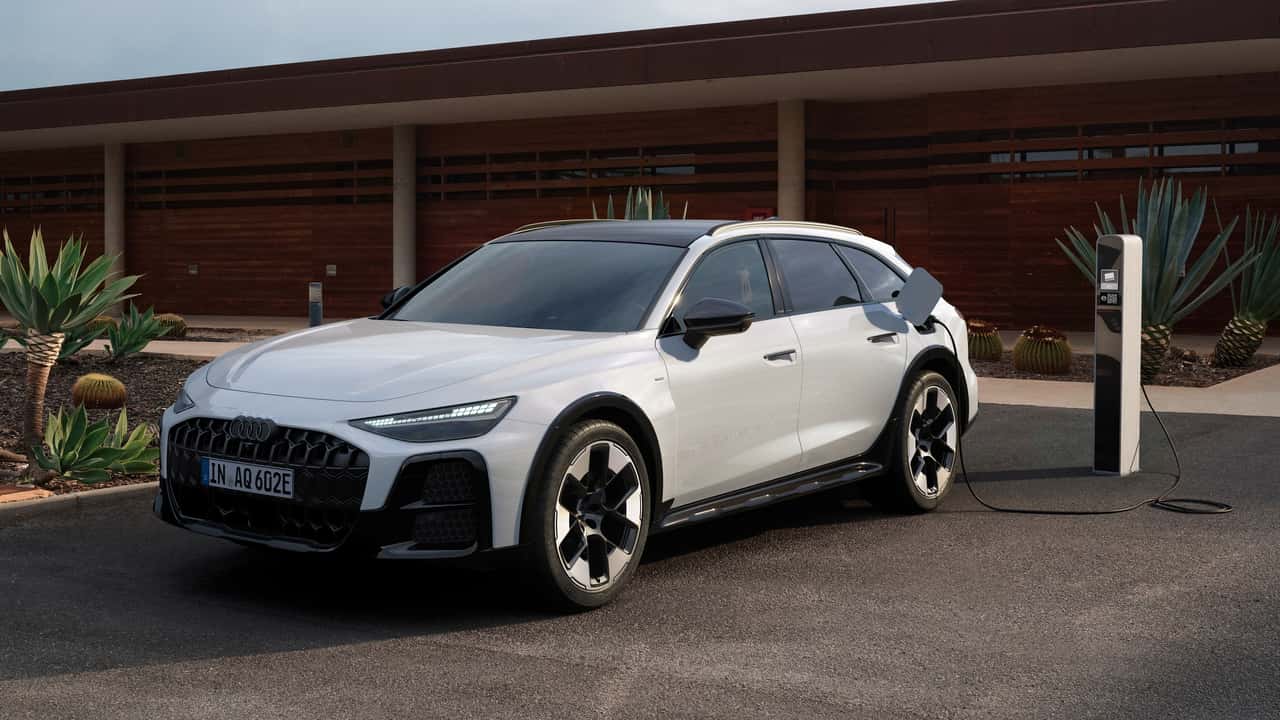
Audi is poised to substantially increase its presence in the U.S. plug-in hybrid electric vehicle (PHEV) market, a strategic shift that aims to address a gap in its current lineup and capitalize on growing consumer interest in electrified powertrains. As of early 2024, the German luxury automaker lacked a mass-market plug-in hybrid model available to American consumers, a notable absence given the increasing demand for vehicles that offer both electric-only driving for shorter commutes and the extended range of gasoline engines for longer journeys. This upcoming expansion signifies a significant commitment from Audi to a technology that bridges the gap between traditional internal combustion engine vehicles and fully electric models, providing a transitional option for consumers not yet ready to commit to a battery-electric vehicle (BEV).
The company's strategy involves introducing several new PHEV models designed to appeal to a broader segment of the U.S. market. While specific model names and launch dates have not yet been fully disclosed, industry analysts anticipate that these new vehicles will likely be based on Audi's existing popular platforms, such as the A4, A6, and Q5 lines, potentially offering enhanced battery capacities and improved electric-only ranges compared to previous generations or international variants. The focus on PHEVs is a calculated move by Audi to leverage its established brand recognition and engineering expertise while catering to the evolving preferences of American car buyers. This approach allows Audi to compete more effectively in a segment where rivals have already established a stronger foothold with a wider array of plug-in hybrid options.
This strategic pivot by Audi comes at a time when the automotive industry is undergoing a profound transformation towards electrification. While many manufacturers are accelerating their transition to all-electric vehicles, Audi appears to be hedging its bets by investing heavily in PHEV technology. This dual-pronged approach allows the company to meet current market demands and regulatory pressures while also preparing for a fully electric future. The U.S. market, in particular, presents a unique set of challenges and opportunities, with varying levels of charging infrastructure availability and consumer adoption rates for BEVs across different regions. Plug-in hybrids offer a compelling solution for consumers in areas where charging infrastructure may be less developed or for those who frequently undertake long-distance travel, thereby mitigating range anxiety. Audi's expanded PHEV lineup is expected to feature advanced battery management systems, efficient gasoline engines, and sophisticated regenerative braking technology to maximize energy recovery and optimize overall fuel efficiency. The integration of these technologies aims to deliver a driving experience that is both environmentally conscious and economically viable for the consumer, reinforcing Audi's commitment to sustainable mobility without compromising on performance or luxury.
The success of Audi's expanded hybrid push will be crucial for its long-term competitiveness in the U.S. automotive landscape. By offering a more robust selection of plug-in hybrid vehicles, Audi aims to attract new customers, retain existing ones, and solidify its position as a leader in the premium electrified vehicle segment. The company's investment in this technology underscores a belief that plug-in hybrids will play a vital role in the automotive transition for years to come, serving as a bridge to a fully electric future for many consumers. The introduction of these new models is anticipated to significantly boost Audi's sales figures in the U.S. and contribute to its global electrification goals, demonstrating a nuanced understanding of the diverse needs and preferences of the modern car buyer.
Original source — read the full reporting at the publisher:
Read on InsideEVsGet the weekly AI digest
AI news + new model releases, weekly. Drafted by our agents, reviewed by humans.