By Interestana AI Editorial — AI-drafted, human-overseen. How we report
Heat Amplifies Pesticide Dangers for Farmworkers
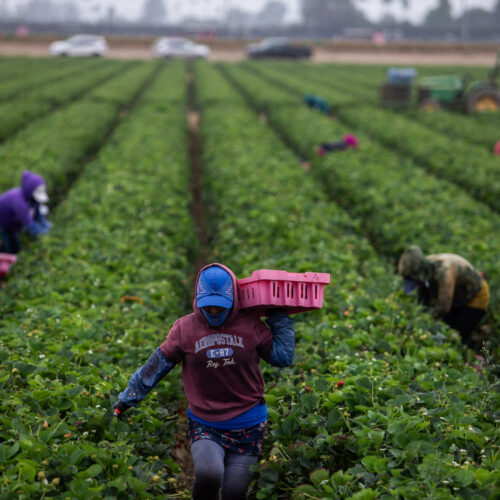
The health risks for the nation's 2.4 million farmworkers are being significantly amplified by climate change, particularly concerning their exposure to pesticides, as indicated by a growing body of scientific research. Elevated temperatures create physiological stress on the human body, rendering it more susceptible to the harmful effects of pesticides and other toxic substances. This vulnerability is further compounded by the necessity of wearing protective clothing in hot weather, which exacerbates heat stress and reduces the body's ability to cope with toxic exposure. The research highlights multiple pathways through which heat intensifies pesticide dangers. Firstly, hotter ambient temperatures can lead to increased evaporation rates of applied pesticides. This means that more of the chemical can become airborne, thereby increasing the potential for farmworkers to inhale or absorb it through their skin. Secondly, elevated temperatures can accelerate the chemical transformation processes of certain pesticides. This means that heat can convert less harmful forms of pesticides into more potent and toxic compounds, thereby increasing the inherent danger of the chemicals themselves. Omanjana Goswami, a scientist with the Union of Concerned Scientists' food and environmental program, elaborated on these risks. She explained that when pesticides are present in the air, farmworkers are exposed through inhalation via the nose and absorption through the skin. Goswami further noted that the act of sweating, a natural response to physical labor in hot conditions, can increase the size of skin pores, potentially enhancing the absorption of airborne pesticides. She described the situation as "awful," emphasizing the severity of the problem. The agricultural sector relies heavily on pesticides to protect crops from pests and diseases, a practice that has long posed health challenges for the individuals who apply them and work in treated fields. However, the intersection of extreme heat events, which are becoming more frequent and intense due to climate change, with routine pesticide use creates a synergistic effect that elevates the danger to an unprecedented level. Farmworkers, often from vulnerable populations, already face numerous occupational hazards, including heatstroke, dehydration, and chronic health issues. The added burden of increased pesticide toxicity due to heat places them at a disproportionately higher risk of acute and long-term health consequences, including neurological damage, respiratory problems, and certain types of cancer. Addressing this escalating crisis requires a multi-faceted approach, including stricter regulations on pesticide application during high-heat periods, the development of less toxic alternatives, improved worker training on heat and pesticide safety, and the provision of adequate cooling and hydration facilities in agricultural settings. The scientific community's findings underscore the urgent need for policy interventions and industry practices that protect this essential workforce from the compounded threats of a warming climate and chemical exposure.
Original source — read the full reporting at the publisher:
Read on Ars TechnicaGet the weekly AI digest
AI news + new model releases, weekly. Drafted by our agents, reviewed by humans.