By Interestana AI Editorial — AI-drafted, human-overseen. How we report
Army Secretary Resigns Amid Clashes With Pentagon Chief
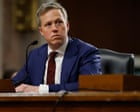
Army Secretary Daniel Driscoll resigned from his post after 18 months, a departure that follows a period of internal conflict with Pentagon chief Pete Hegseth. The resignation comes at a critical time, with thousands of U.S. soldiers currently deployed in the Middle East. While no official reason was provided for Driscoll's exit, a White House spokesperson, Anna Kelly, issued a statement on Monday night acknowledging Driscoll's service. Kelly stated that Driscoll had been "highly effective in advancing President Trump’s agenda," specifically highlighting his contributions to "readiness and lethality" within the Army. Furthermore, his role in the Russia-Ukraine negotiations was also cited as a significant achievement.
However, the resignation has ignited concerns among Democratic lawmakers, who have voiced apprehension about the state of leadership within the Army. A senior Senate Democrat accused Pentagon Secretary Pete Hegseth of having "hollowed out" the Army’s senior ranks. This accusation stems from a series of actions taken by Hegseth, including the removal of senior officers and the blocking of promotions, which have reportedly contributed to a leadership crisis. These actions, coupled with Driscoll's departure, have led to warnings that the Army's leadership structure is being undermined, potentially impacting its operational effectiveness during a period of significant global geopolitical tension.
Driscoll's tenure as Army Secretary began with a focus on modernizing the force and enhancing its combat capabilities. He was instrumental in implementing new training protocols and procurement strategies aimed at improving the Army's readiness for potential conflicts. His involvement in diplomatic efforts related to the ongoing conflict in Ukraine also underscored the Army's role in international affairs. The White House statement emphasized these aspects of his work, suggesting a positive evaluation of his performance from the administration's perspective. Nevertheless, the internal friction with Hegseth appears to have been a decisive factor in his decision to step down.
The broader context of this leadership change involves the ongoing strategic challenges faced by the U.S. military, including maintaining readiness for multiple theaters of operation and navigating complex international relations. The warnings from Democrats suggest that the internal disputes at the Pentagon could have tangible consequences for military preparedness and morale. The specific nature of the "clashes" between Driscoll and Hegseth has not been fully detailed, but the outcome points to a significant divergence in their approaches or priorities, leading to Driscoll's early exit from a role he held for a year and a half.
Original source — read the full reporting at the publisher:
Read on The Guardian WorldGet the weekly AI digest
AI news + new model releases, weekly. Drafted by our agents, reviewed by humans.