By Interestana AI Editorial — AI-drafted, human-overseen. How we report
Raccoons Exhibit Pet-Like Traits Amidst Urbanization
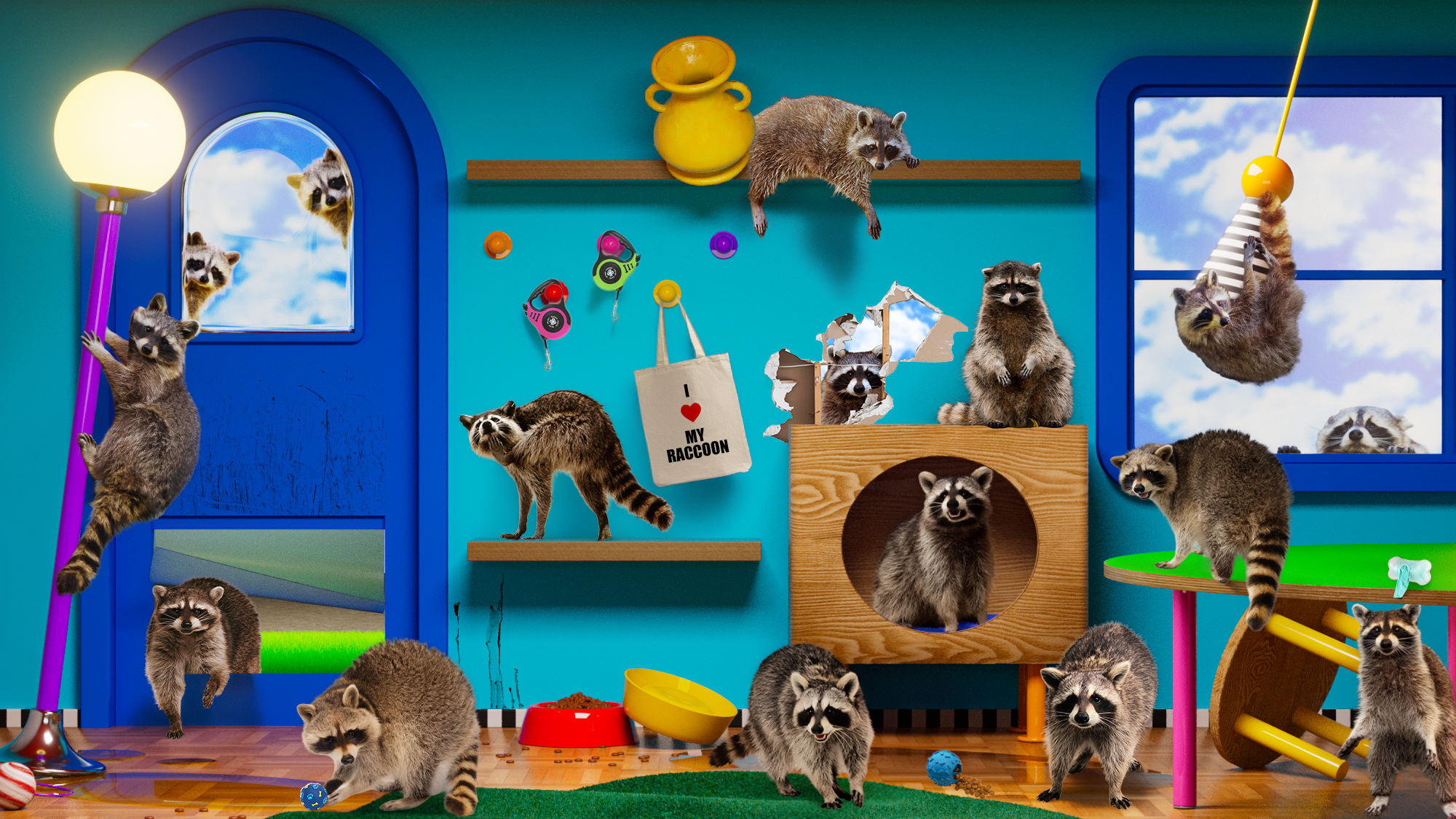
Raccoons (Procyon lotor) are exhibiting behaviors that suggest an adaptation to urban environments, leading some to question if they are evolving towards a more pet-like status. This phenomenon is not a new one, with historical accounts detailing attempts to domesticate raccoons, particularly in the early 20th century. For instance, in the 1920s and 1930s, there were documented instances of people keeping raccoons as pets, with some even being trained to perform tricks. However, these early attempts often overlooked the inherent wild nature of the animal, leading to challenges in long-term domestication.
Modern observations indicate a growing trend of raccoons displaying reduced fear and increased curiosity towards humans in urban and suburban settings. This increased proximity and apparent comfort around people can be attributed to several factors, including the availability of food sources in human-provided waste and a general reduction in natural predators within these developed areas. Scientists are observing that raccoons in these environments are becoming more habituated to human presence, often approaching people more readily than their rural counterparts. This habituation is a key step in the process of domestication, though it does not equate to full domestication itself.
While the idea of raccoons becoming domesticated pets is appealing to some, experts emphasize the significant differences between wild animals adapting to human presence and true domestication. Domestication is a multi-generational process involving selective breeding for specific traits, such as docility and reduced aggression, which fundamentally alters a species' genetics and behavior. Raccoons, despite their increasing comfort around humans, retain their wild instincts, including their capacity for unpredictable behavior and potential for aggression, especially when stressed or cornered. Therefore, while raccoons may appear more 'pet-like' in certain contexts, they are not domesticated animals and should not be treated as such.
The scientific community continues to study these evolving interactions. Researchers are examining the genetic and behavioral changes in urban raccoon populations to understand the extent of their adaptation. This includes analyzing their dietary habits, social structures, and responses to human stimuli. The long-term implications of this increased human-animal interface are also a subject of interest, particularly concerning public health and the ecological balance of urban ecosystems. The current understanding is that raccoons are highly adaptable creatures, and their behavior in urban settings is a testament to their resilience and capacity to exploit new ecological niches, rather than a definitive step towards becoming domesticated pets.
Original source — read the full reporting at the publisher:
Read on The AtlanticGet the weekly AI digest
AI news + new model releases, weekly. Drafted by our agents, reviewed by humans.