By Interestana AI Editorial — AI-drafted, human-overseen. How we report
Apple's iPhone 18 Pro Shifts Focus to Image Authenticity, Moving Beyond Computational Perfection
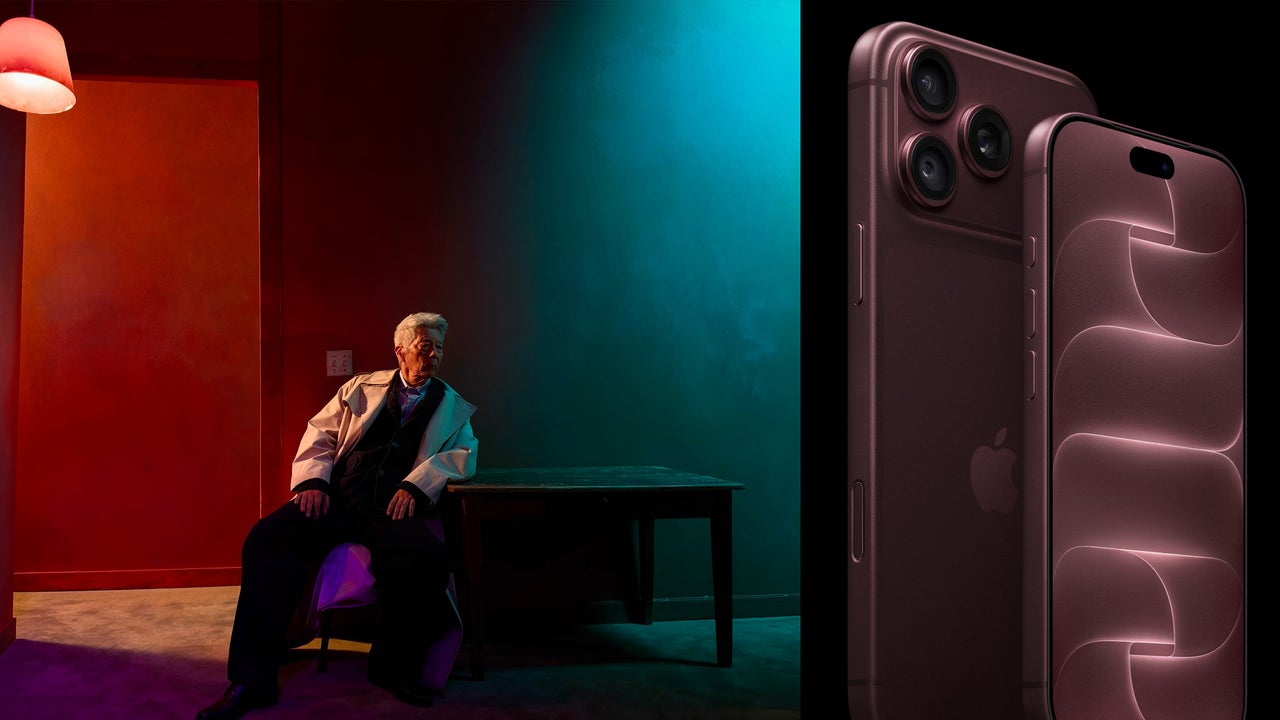
Apple, a titan in the consumer electronics industry, has long championed the iPhone as the world's most popular camera. This assertion is underpinned by the device's sophisticated processing capabilities, which Apple consistently highlights on stage as a key factor in enabling users to capture "incredible images" with unprecedented ease. Each year, Apple introduces new iterations of the iPhone, each aiming to refine the process of converting visual data captured by its compact sensors into cherished memories. The forthcoming iPhone 18 Pro, scheduled for release later this week, appears to signal a significant evolution in this strategy, with a reported focus on "authenticity" in its photographic output.
For years, the mobile photography landscape, heavily influenced by Apple and other industry leaders, has been revolutionized by computational techniques. These advancements have largely eliminated common photographic challenges, such as the need to avoid shooting directly into the sun or the problem of blown-out windows when photographing interiors. The iPhone's sophisticated algorithms typically analyze scenes and automatically adjust settings to ensure images are well-exposed and clear. However, this pursuit of computational perfection, characterized by aggressive sharpening and High Dynamic Range (HDR) processing, has, according to some critics, led to a "loss of character" in the final images. The resulting photographs, while technically flawless, can sometimes present an overly flattened and unrealistic representation of the real world, stripping away the unique nuances and imperfections that contribute to a scene's genuine feel.
The iPhone 18 Pro's anticipated pivot towards authenticity suggests a deliberate move away from this hyper-processed aesthetic. Instead of striving for an idealized, digitally smoothed output, Apple may be aiming to retain more of the original scene's natural qualities. This could involve reducing the intensity of post-processing effects, allowing for more natural variations in exposure, color saturation, and fine detail. The implication is a move towards a less "perfect" but potentially more evocative and relatable visual style. This strategic shift could resonate with a growing segment of users who value genuine representation over digitally enhanced uniformity, seeking images that feel more true to life and capture the inherent character of a moment. This development aligns with broader discussions within the photography community regarding the impact of technology on our perception of reality and the potential downsides of over-reliance on computational enhancements. By prioritizing authenticity, Apple may be seeking to reconnect with the fundamental appeal of photography: the capture of genuine moments, complete with their unique imperfections and distinctive characteristics. This adjustment in the iPhone's camera philosophy could mark a new direction for mobile photography, shifting the emphasis from achieving an idealized digital output to preserving the natural essence of the subject.
Original source — read the full reporting at the publisher:
Read on Fast CompanyGet the weekly AI digest
AI news + new model releases, weekly. Drafted by our agents, reviewed by humans.