By Interestana AI Editorial — AI-drafted, human-overseen. How we report
GM Revamps Truck Interface with Analog Controls and Minimal Screens
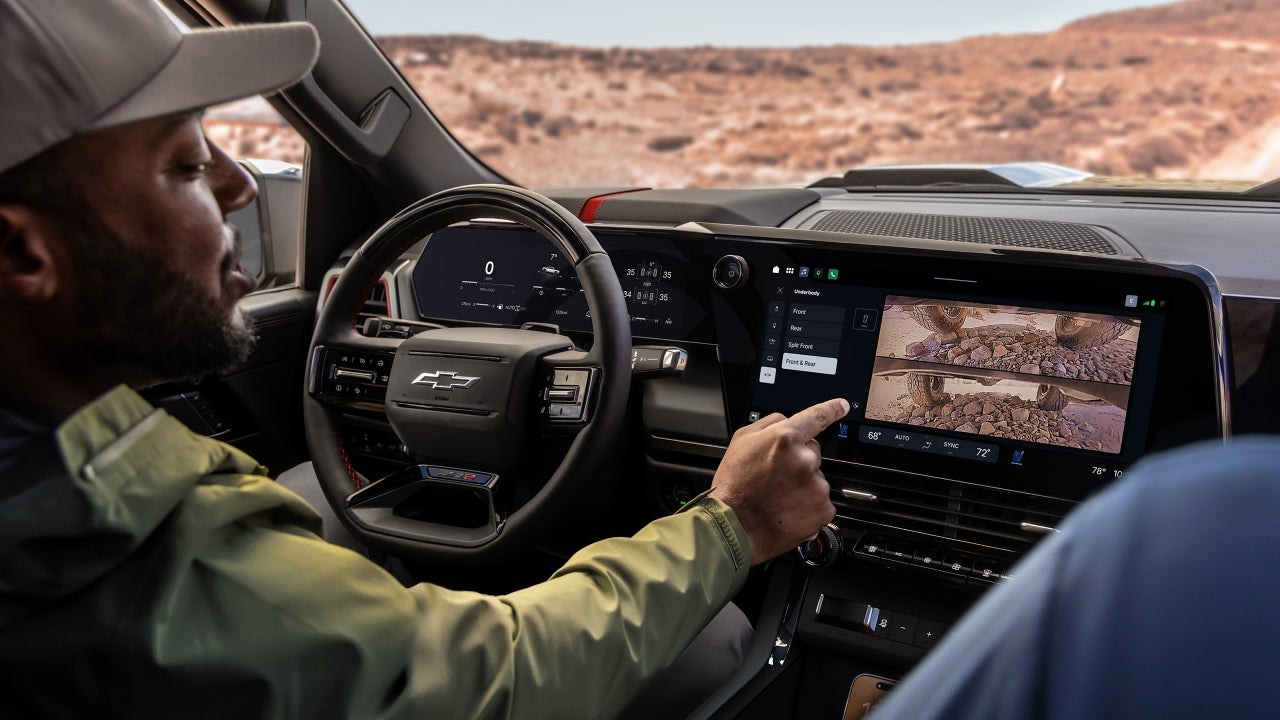
General Motors is rolling out a significantly redesigned in-cabin user interface for its upcoming 2027 Chevrolet Silverado 1500 and 2027 GMC Sierra 1500 trucks, aiming to mitigate the prevalent issue of "screen fatigue" in modern vehicles. This new interface, set to debut as the trucks launch later this year, diverges from the trend of ever-larger displays by incorporating a deliberate balance of physical analog buttons and knobs alongside minimally configured screens. The design philosophy prioritizes presenting only the most critical information to the driver at any given moment, a strategy General Motors intends to implement across its entire vehicle portfolio.
Spearheading this initiative is Sebastian Bauer, General Motors' head of human interface design. Bauer, who joined GM in June 2025, brings extensive experience from his 15-year tenure in human interface design at both Apple and Google. His background in consumer technology, which focused on devices that fit in hand or on a screen, now informs his approach to the automotive sector. Bauer stated that the core design principles remain consistent, emphasizing "rigor" and "attention to detail" learned during his time at Apple. He believes that even subtle design elements contribute to a driver's overall feeling and emotional connection with the vehicle, a sentiment he aims to cultivate through this new interface.
The development of this user interface has been underway for the past two years. Bauer described the design goal as creating an "economy" within the interface, focusing on identifying essential functions and surfacing them contextually. This approach seeks to reduce cognitive load on the driver by avoiding information overload. The intention is to provide a more intuitive and less distracting driving experience, a stark contrast to the increasingly complex digital dashboards found in many contemporary vehicles. The emphasis on tactile controls like buttons and knobs offers a familiar and reliable method of interaction, complementing the digital displays rather than being overshadowed by them.
This strategic shift by General Motors reflects a growing awareness within the automotive industry regarding driver distraction and the user experience. By integrating a thoughtful combination of physical and digital elements, GM is attempting to create an interface that is both modern and user-friendly. The success of this approach could influence future design decisions not only for GM but also for other automakers grappling with the challenge of integrating advanced technology without compromising the core driving experience. The focus on essential information and tactile feedback aims to foster a sense of control and reduce the reliance on complex touchscreen menus, thereby enhancing safety and driver satisfaction.
Original source — read the full reporting at the publisher:
Read on Fast CompanyGet the weekly AI digest
AI news + new model releases, weekly. Drafted by our agents, reviewed by humans.