By Interestana AI Editorial — AI-drafted, human-overseen. How we report
United CEO Scott Kirby Prioritizes Sleep, Limits Meetings
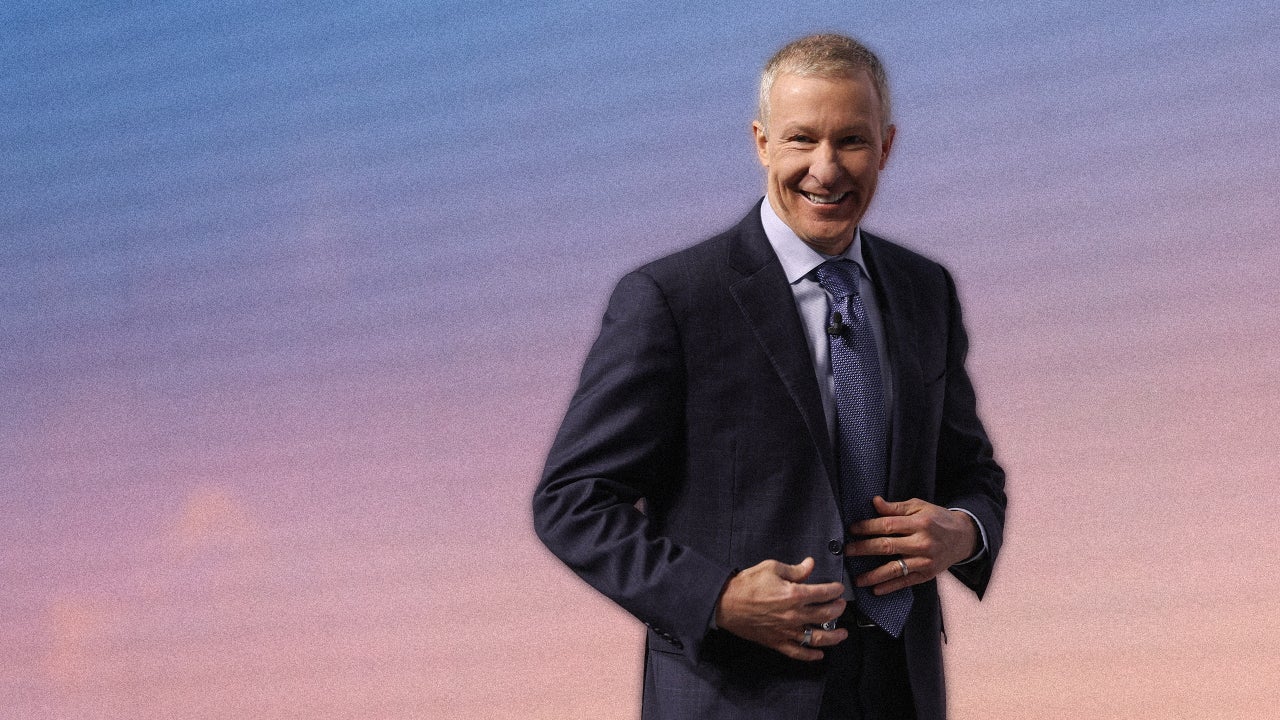
United Airlines CEO Scott Kirby adheres to a strict personal discipline to manage his demanding role, emphasizing sleep and focused thinking over excessive work hours. Kirby revealed in an interview with Semafor that he prioritizes sleeping approximately eight and a half hours per night, viewing it as his "number one priority." He also incorporates a 15-minute nap into his daily routine. Beyond sleep, Kirby dedicates significant time to reading, consuming three hours of material daily, including The New York Times and The Wall Street Journal in their entirety. He believes this extensive reading habit, which also includes an average of five magazines and two books weekly, allows him to "connect dots" that others might miss. Kirby has implemented a rule to limit his daily meeting schedule to a maximum of four hours. When meetings do occur, he prefers a conversational format, discouraging lengthy slide presentations. He stated, "If you want to send a deck, send it to me in advance and then we’re just going to talk about it, but you’re not going to read slides to me." This approach is designed to keep discussions efficient and focused. Kirby's overarching philosophy is that as one ascends in their career, particularly to the CEO level, the primary responsibility shifts from "working hard" to "thinking hard." He earned over $30 million in the previous year and has a background as the former president of US Airways and American Airlines, having taken the helm at United in 2016 and becoming CEO three years later. Despite possessing an analytical background, including a degree in operations research and a notable skill in blackjack that led to bans from casinos, Kirby cautions against an overreliance on "yesterday's metrics." He argues that executives who become too engrossed in past data risk misinterpreting the path forward, stating, "People make a huge mistake thinking that the answer is in the spreadsheet, that the math can solve all the problems." Instead, Kirby focuses on future-oriented thinking, aiming to anticipate upcoming trends and challenges. His objective is to maintain a broad perspective, looking "over the horizon" to identify emerging opportunities and potential disruptions.
Original source — read the full reporting at the publisher:
Read on Fast CompanyGet the weekly AI digest
AI news + new model releases, weekly. Drafted by our agents, reviewed by humans.