By Interestana AI Editorial — AI-drafted, human-overseen. How we report
US Forest Service Commander Deferring Wildfire Risk
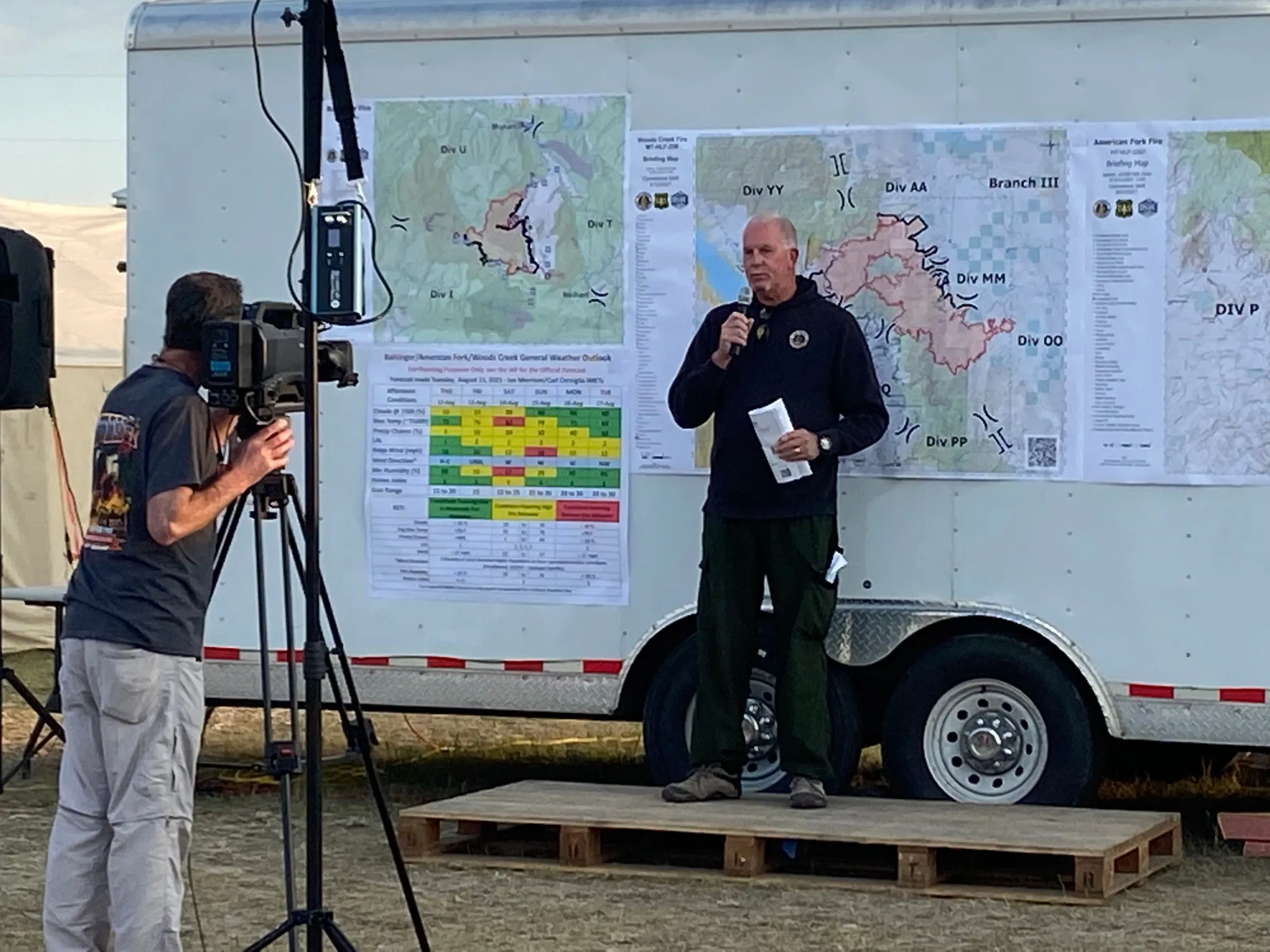
Dan Dallas, an incident commander for the U.S. Forest Service and director of renewable resources for the Forest Service’s Rocky Mountain region, is re-evaluating traditional wildfire suppression strategies. Dallas, who has responded to numerous fires, including those on Karuk tribal lands in Northern California's Six Rivers National Forest in August 2023, has observed a pattern of returning to the same communities multiple times to combat escalating wildfires. His previous approach, aligned with the Forest Service playbook, involved aggressive containment tactics such as bulldozing ridgetops, deploying fire retardant slurry, and using water drops from aircraft to keep fires small and prevent them from reaching nearby towns. However, Dallas has come to a troubling realization: these methods, while seemingly effective in the short term, are merely deferring the risk. He articulated this concern, stating, "I'd been to multiple places, two, even three, sometimes four times." He observed that by suppressing fires, he was essentially creating conditions for larger, more intense fires in the future, leading to a cycle of repeated interventions. "Finally, I figured out all I’m doing is deferring risk to this place," Dallas stated in a recent interview. "I’m going to come back and protect it again." This shift in perspective occurred as he arrived at the Six Rivers National Forest, where the local forest supervisor and the Karuk Tribe were independently developing similar ideas. The prevailing conditions at the time, characterized by recent rainfall, mild weather, and coastal fog, had transformed the area from typical fire weather to what Dallas described as "basically prescribed fire season." Instead of immediately engaging the fire with aggressive suppression tactics, Dallas and the local authorities considered an alternative approach: allowing the fire to creep along the forest floor under controlled conditions. The rationale behind this strategy is that a low-intensity ground fire would consume excess fuel, thereby reducing the intensity and spread of future wildfires. This method aims to mitigate the risk of megafires that could threaten communities, by managing the landscape more proactively. The Karuk Tribe, in particular, has a long history of using cultural burning practices to manage their lands, which aligns with this more nuanced approach to wildfire management. The traditional Forest Service method, often referred to as "full suppression," aims to extinguish all fires as quickly as possible. However, ecological research and practical experience have increasingly shown that fire is a natural and necessary component of many forest ecosystems. In some cases, suppressing fire can lead to an unnatural buildup of fuel, making subsequent fires more destructive. Dallas's evolving perspective reflects a growing debate within the U.S. Forest Service and among fire management professionals about the long-term efficacy and ecological consequences of decades of full suppression policies. The incident commander's willingness to consider and implement a strategy that allows for controlled fire, even when a fire is already active, signifies a potential paradigm shift in how the agency approaches wildfire management, moving towards a more adaptive and ecologically informed model.
Original source — read the full reporting at the publisher:
Read on GristGet the weekly AI digest
AI news + new model releases, weekly. Drafted by our agents, reviewed by humans.