By Interestana AI Editorial — AI-drafted, human-overseen. How we report
Allan Little Met "Butcher of Bosnia" Mladić Early in War
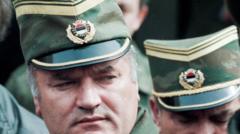
BBC special correspondent Allan Little met Ratko Mladić, later known as the "Butcher of Bosnia," in the early months of the Bosnian war. Little's account, shared in a BBC interview, details his initial impressions of Mladić during a period of escalating conflict in 1992. The encounter occurred before Mladić's forces committed widespread atrocities that would lead to his conviction for war crimes.
Little described Mladić as "dangerously fanatical," a sentiment formed during their brief but impactful meeting. This characterization highlights the early signs of the extremist ideology that would later fuel the ethnic cleansing and violence perpetrated by the Army of Republika Srpska (VRS), which Mladić commanded. The Bosnian war, which began in March 1992, was marked by extreme brutality, particularly against Bosniak and Croat populations, and Mladić became a central figure in orchestrating these campaigns.
The context of Little's meeting is crucial to understanding the early stages of the conflict. The breakup of Yugoslavia in the early 1990s led to a series of wars, with the Bosnian War being one of the most devastating. Mladić, a Serbian military officer, rose to prominence as the commander of the VRS. His leadership was associated with the siege of Sarajevo and the Srebrenica massacre in July 1995, where over 8,000 Bosniak men and boys were systematically killed. These events led to Mladić being indicted by the International Criminal Tribunal for the former Yugoslavia (ICTY) on charges of genocide, war crimes, and crimes against humanity.
Little's early observation of Mladić's fanatical nature serves as a stark reminder of how individuals with extreme ideologies can gain power and inflict immense suffering. The war in Bosnia and Herzegovina lasted from 1992 to 1995, resulting in an estimated 100,000 deaths and millions displaced. Mladić was eventually arrested in Serbia in May 2011, over 16 years after the end of the war, and faced trial for his role in the atrocities. His conviction in 2017 by the ICTY for genocide and crimes against humanity underscored the gravity of the crimes committed under his command. Little's early encounter provides a personal perspective on the man who would become synonymous with some of the worst human rights abuses of the late 20th century.
Original source — read the full reporting at the publisher:
Read on BBC World NewsGet the weekly AI digest
AI news + new model releases, weekly. Drafted by our agents, reviewed by humans.