By Interestana AI Editorial — AI-drafted, human-overseen. How we report
Airlines Cite Volatility, Not Just Cost, For High Fares
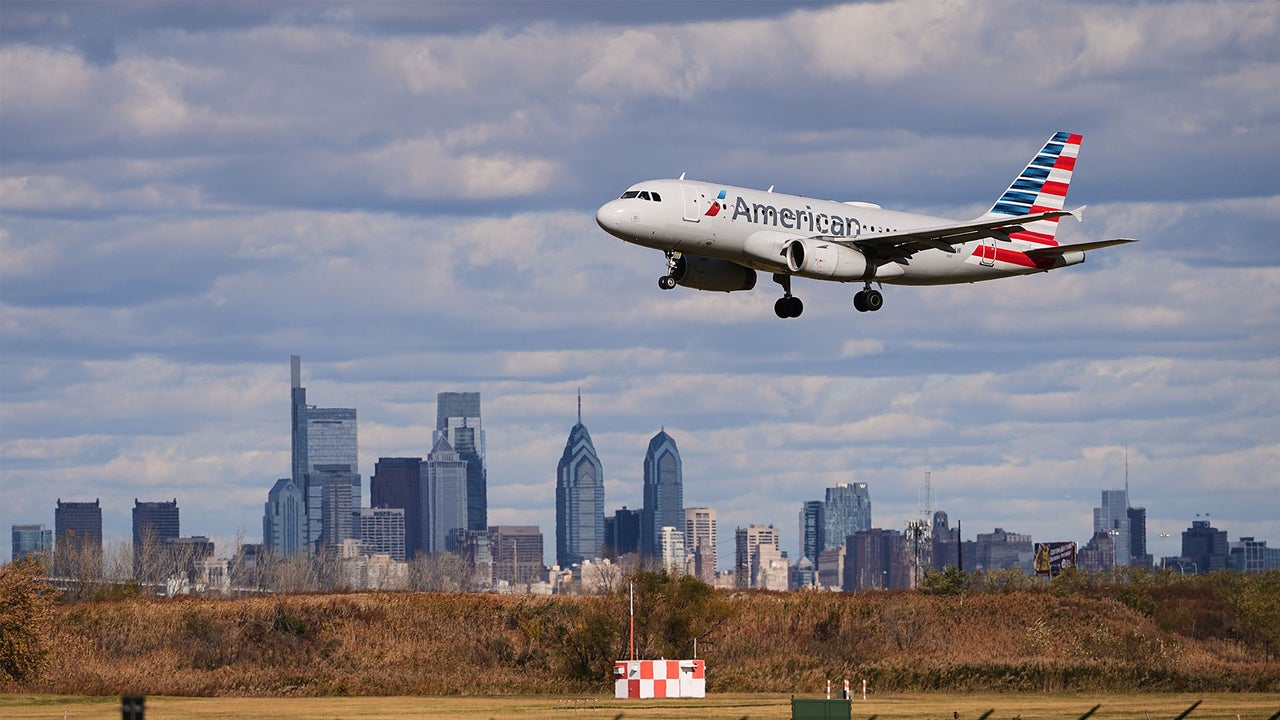
Travelers may continue to face elevated airfares even if jet fuel prices decline, according to major U.S. airlines and industry analysts. The price of jet fuel experienced a significant surge following the onset of the Iran war, subsequently retreating in the spring before escalating again throughout the summer. This price fluctuation complicates advance planning for airlines, contributing to their cautious approach regarding fare reductions. Brett House, an economist at Columbia Business School, explained that this volatility, rather than just the absolute cost of fuel, presents a challenge for airlines. Jet fuel prices have outpaced oil price increases during the conflict, a situation attributed to both higher crude oil prices and constrained supplies of the refined product, which constitutes one of the largest operational expenses for airlines.
In response to rising fuel costs, carriers implemented measures such as reducing less profitable flights and increasing fares and baggage fees. However, major U.S. airlines have stated that the initial gains from higher passenger revenue only partially offset their soaring fuel expenditures. The relationship between airfares and fuel prices has not been a direct one. Data from the Argus U.S. Jet Fuel Index reveals a sharp drop from a peak of $4.88 per gallon in early April to a wartime low of $2.70 in June. Despite this decline, average airfares remained elevated. According to the Bureau of Transportation Statistics, the average fare, excluding optional service fees like checked bags and seat selection, increased from $405 in the final quarter of 2025 to $428 in the first quarter of the current year, and further to $436 in the April-June period.
House elaborated that a portion of this disconnect between fuel prices and airfares is attributable to timing. Airlines typically determine flight schedules and seat availability several months in advance, incorporating projected fuel costs and other operational expenses. Ticket sales commence even earlier. While the prices for seats on the same flight can be adjusted multiple times, airlines are unable to retroactively charge more for seats already sold if fuel prices experience a sudden spike. This dynamic means that the unpredictability of fuel costs, or its volatility, is a significant factor for airlines, not solely the prevailing price level. As airlines continue to adjust their strategies in response to these market conditions, there are currently few indications of immediate relief for travelers in terms of lower ticket prices.
Original source — read the full reporting at the publisher:
Read on Fast CompanyGet the weekly AI digest
AI news + new model releases, weekly. Drafted by our agents, reviewed by humans.