By Interestana AI Editorial — AI-drafted, human-overseen. How we report
AI's Impact on Workplace Social Skills
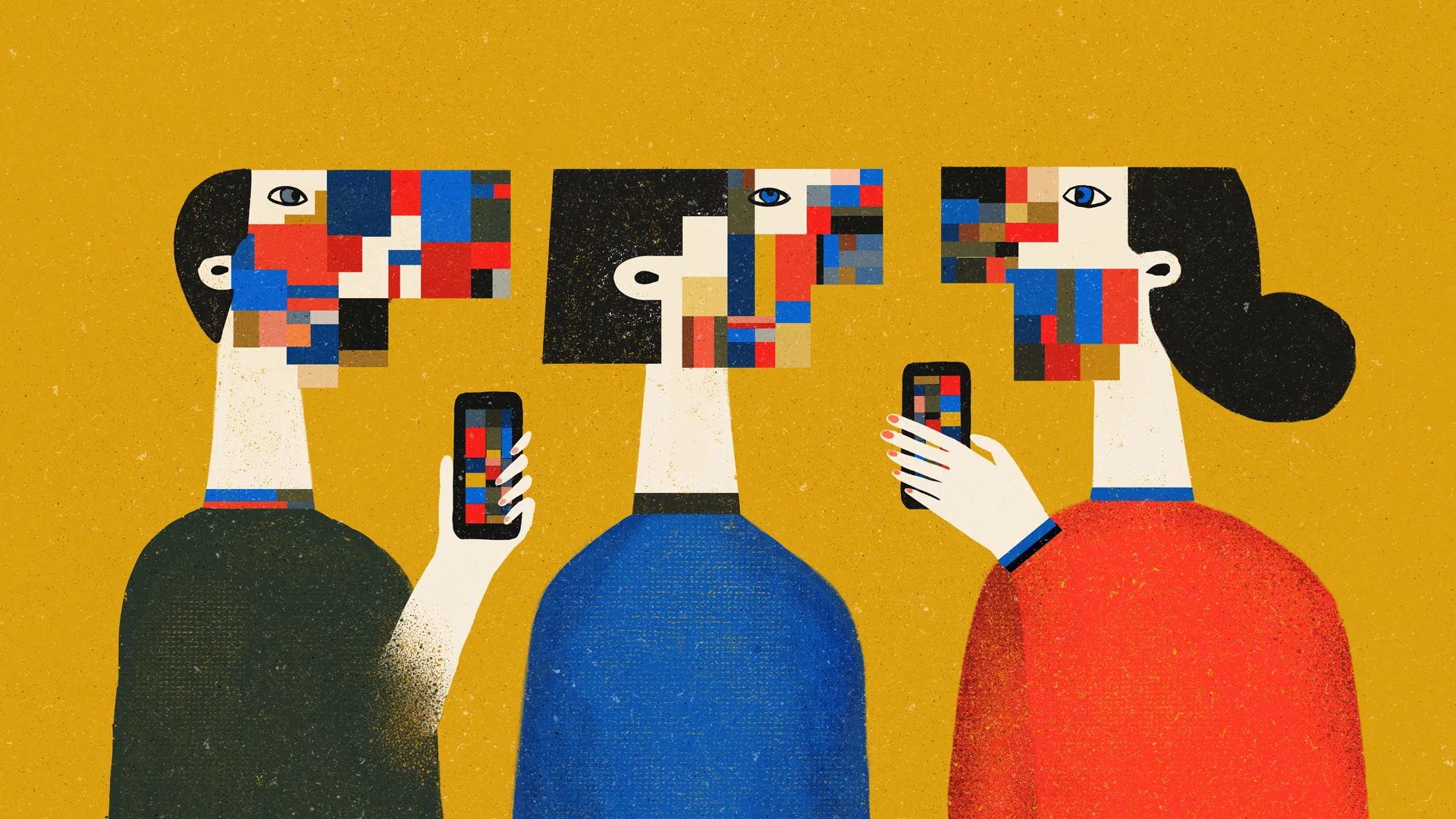
The increasing integration of artificial intelligence (AI) into the workplace, while boosting efficiency and productivity, poses a potential risk of social atrophy among employees. This phenomenon suggests that as AI tools handle more tasks that previously required human interaction and cognitive effort, individuals may experience a decline in their social skills and the depth of their interpersonal connections. The concern is that a reliance on AI for communication, problem-solving, and even emotional support could diminish the need and opportunity for employees to engage in nuanced social interactions, thereby eroding essential human competencies.
This potential for social atrophy is not a direct consequence of AI's computational power but rather a byproduct of how its implementation reshapes daily work routines and human engagement. When AI systems automate tasks such as scheduling meetings, drafting communications, or analyzing data, the human touch and the collaborative processes involved are reduced. This reduction in direct human-to-human interaction can lead to fewer opportunities for employees to practice empathy, negotiation, conflict resolution, and the subtle art of building rapport. Consequently, the workplace, often a primary arena for social development and maintenance, might become a less fertile ground for cultivating these vital human attributes.
The implications of this trend extend beyond individual skill degradation. A workforce experiencing social atrophy could face challenges in team cohesion, innovation, and overall organizational culture. Effective collaboration, a cornerstone of many successful businesses, relies heavily on strong interpersonal relationships and the ability to navigate complex social dynamics. If AI inadvertently contributes to a weakening of these bonds, it could hinder a company's ability to adapt, innovate, and foster a supportive and engaging environment. The focus on AI-driven efficiency, therefore, may inadvertently create a new kind of workplace crisis, one centered not on overwork, but on a deficit of human connection and social intelligence.
Addressing this potential crisis requires a proactive approach from both organizations and individuals. Companies may need to re-evaluate AI implementation strategies to ensure they complement, rather than replace, essential human interactions. This could involve designing workflows that intentionally incorporate collaborative elements and opportunities for social engagement. Furthermore, fostering a culture that values and actively promotes the development of social and emotional intelligence, alongside technical skills, will be crucial. Employees, too, may need to consciously seek out and cultivate opportunities for meaningful interaction, recognizing the enduring importance of human connection in both personal and professional spheres. The challenge lies in harnessing the power of AI without sacrificing the very human qualities that make work meaningful and organizations resilient.
Original source — read the full reporting at the publisher:
Read on Inc.Get the weekly AI digest
AI news + new model releases, weekly. Drafted by our agents, reviewed by humans.