By Interestana AI Editorial — AI-drafted, human-overseen. How we report
ADHD Linked to Enhanced Divergent Thinking, New Research Suggests
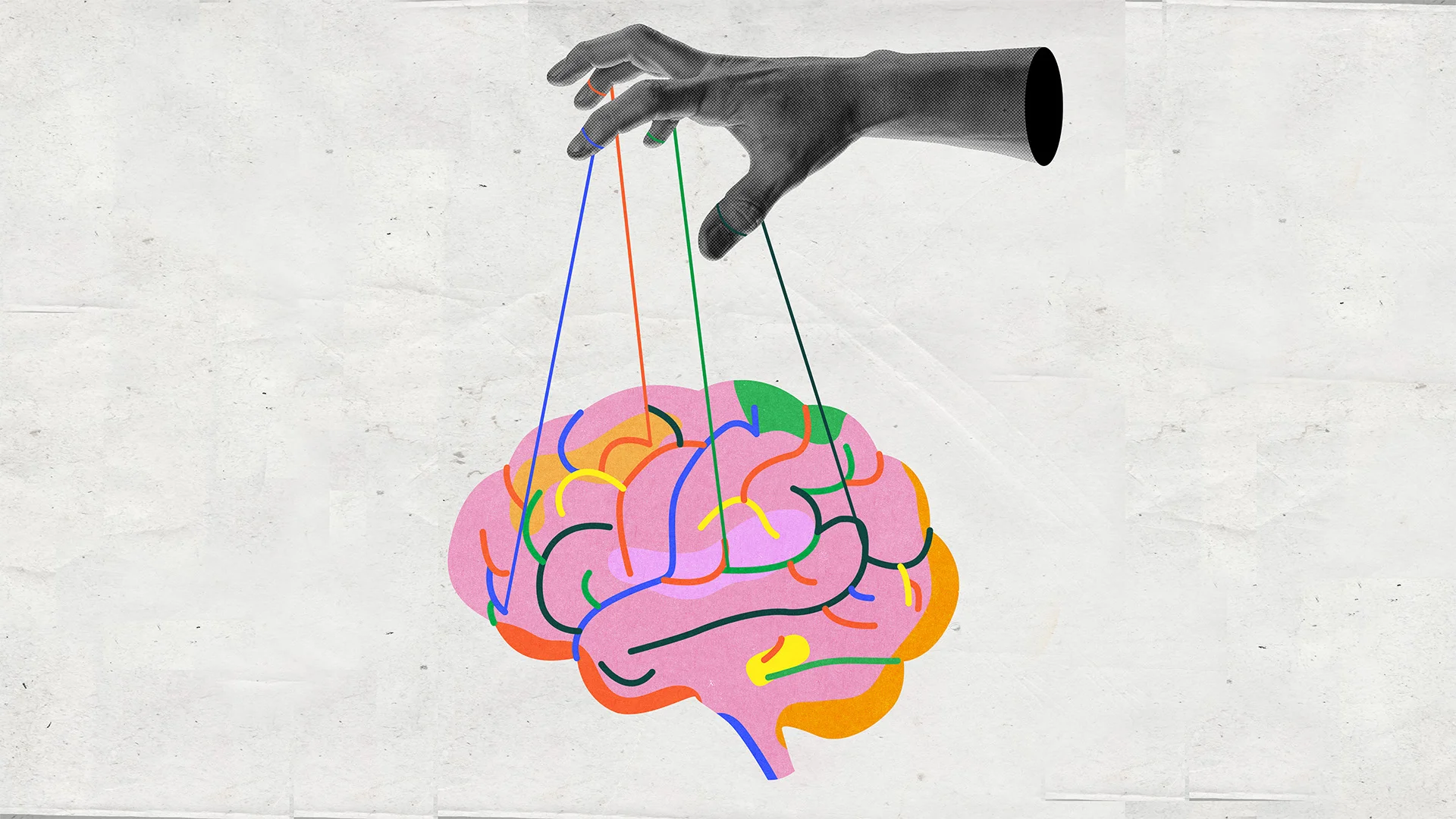
New research suggests that Attention-Deficit/Hyperactivity Disorder (ADHD) may confer an advantage in divergent thinking, a cognitive process crucial for generating novel ideas and solutions. This finding challenges the prevailing view of ADHD as solely a deficit or problem, proposing instead that it could be linked to enhanced creative problem-solving capabilities. Divergent thinking is characterized by the ability to explore multiple potential solutions to a problem, moving away from a single correct answer towards a broader range of possibilities. This contrasts with convergent thinking, which focuses on finding a single, well-established solution.
The research, detailed in a recent paper, posits that individuals with ADHD might possess a heightened capacity for divergent thinking due to certain neurological characteristics associated with the condition. These characteristics could include differences in executive functions, such as attention regulation and impulse control, which may inadvertently facilitate a more fluid and expansive approach to idea generation. For instance, a less inhibited thought process, often seen as a challenge in ADHD, could allow for a wider net of associations and connections, thereby boosting creativity. The paper aims to reframe the understanding of ADHD, moving beyond a purely deficit-based model to acknowledge potential strengths and adaptive advantages.
This perspective suggests that the traits commonly associated with ADHD, such as distractibility or a tendency to hyperfocus on novel stimuli, might be reinterpreted as facilitators of creative thought. Instead of viewing these as solely detrimental, the research implies they could contribute to a unique cognitive style that excels in situations requiring innovation and out-of-the-box thinking. The implications of this research extend to educational and professional settings, where understanding these potential advantages could lead to more effective support strategies and a greater appreciation for neurodiversity. By recognizing the strengths associated with ADHD, environments could be better tailored to harness these abilities, fostering greater success and well-being for individuals with the condition.
While the research highlights a potential link between ADHD and enhanced divergent thinking, it also underscores the need for further investigation into the precise mechanisms underlying this association. Future studies may explore specific neural pathways, genetic factors, and environmental influences that contribute to this cognitive profile. Understanding these nuances will be critical for developing comprehensive approaches that support individuals with ADHD, enabling them to leverage their unique cognitive strengths while effectively managing any associated challenges. The ongoing exploration of ADHD's potential advantages could significantly shift diagnostic and therapeutic paradigms, promoting a more holistic and empowering view of the condition.
Original source — read the full reporting at the publisher:
Read on Inc.Get the weekly AI digest
AI news + new model releases, weekly. Drafted by our agents, reviewed by humans.