By Interestana AI Editorial — AI-drafted, human-overseen. How we report
GrapheneOS to Support Motorola Razr Fold, Ultra, Pixel 11
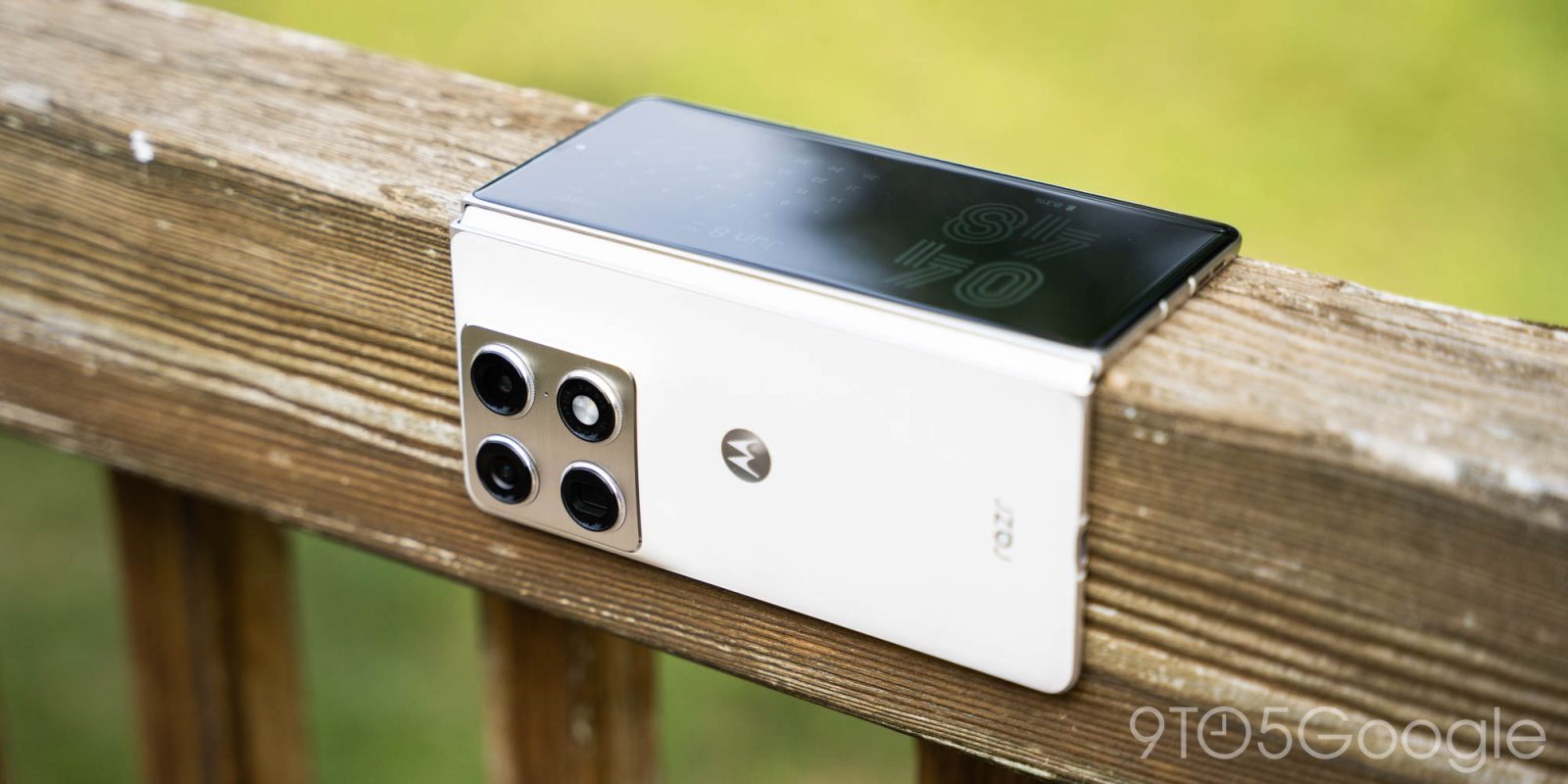
GrapheneOS, a privacy-hardened mobile operating system derived from Android, is scheduled to expand its device compatibility in the upcoming year. The open-source project announced that it will introduce support for new Motorola smartphones, specifically including future iterations of the Razr Fold and Razr Ultra foldable devices. This expansion signifies a significant move for GrapheneOS, which is known for its rigorous security and privacy enhancements over the stock Android experience. In addition to the Motorola foldables, GrapheneOS also confirmed that support will be extended to the forthcoming Google Pixel 11 series of smartphones. This announcement comes as GrapheneOS continues to build its reputation as a leading choice for users prioritizing digital security and data protection on their mobile devices. The project's development is driven by a commitment to providing a more secure and private mobile computing platform, often involving deep system-level modifications and a focus on minimizing potential attack vectors. GrapheneOS is developed by a dedicated team focused on security research and implementation, aiming to offer a robust alternative to mainstream mobile operating systems. The project's philosophy centers on providing users with greater control over their data and device security, often through features like enhanced permission controls, sandboxing improvements, and a hardened kernel. The inclusion of foldable devices like the Motorola Razr Fold and Razr Ultra represents a notable step, as these form factors can introduce unique security challenges due to their complex hardware configurations and flexible displays. Supporting these devices indicates GrapheneOS's capability to adapt its security architecture to diverse hardware architectures. The confirmation of support for the Pixel 11 series is also significant, as Google's Pixel devices are typically among the first to receive Android updates and are often considered a benchmark for Android hardware security. GrapheneOS's involvement with Pixel devices has historically been strong, with previous Pixel generations receiving timely and comprehensive support. The project's roadmap typically involves extensive testing and development to ensure that each new device supported offers the same high level of security and privacy that GrapheneOS users expect. Further details regarding specific release timelines and the exact models of the Razr Fold and Ultra that will be supported are expected to be announced by GrapheneOS in the future. The ongoing development of GrapheneOS aims to empower users with a more secure and private mobile experience, free from the pervasive tracking and data collection often associated with mainstream mobile platforms. The project relies on community contributions and rigorous security auditing to maintain its high standards.
Original source — read the full reporting at the publisher:
Read on 9to5GoogleGet the weekly AI digest
AI news + new model releases, weekly. Drafted by our agents, reviewed by humans.