Viking Arm Mystery: Apollo 11 Astronaut Recalls 50-Year-Old Event
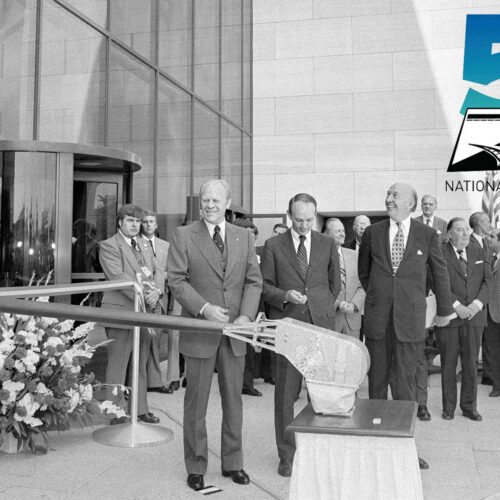
Apollo 11 astronaut Michael Collins recalled the opening of the National Air and Space Museum on July 1, 1976, an event that occurred three days ahead of its original schedule. Collins, who was present at the opening, noted the precise timing required for the day's proceedings, including the seating of President Gerald Ford and Vice President Nelson Rockefeller, and a flyover by the Thunderbirds.
During the event, Collins observed a Viking arm, a component from NASA's Viking program which was designed to explore Mars. The arm's presence at the museum opening, and its subsequent disappearance or unclear status, has become a minor historical mystery. Collins mentioned looking at his watch, emphasizing the importance of the final 36 minutes of the ceremony proceeding without a hitch, despite the earlier acceleration of the schedule.
The Viking program itself was a significant undertaking by NASA, with two orbiters and two landers sent to Mars in 1975. The mission aimed to study the Martian atmosphere, surface, and potential for life. The Viking 1 lander touched down on July 20, 1976, shortly after the museum's opening, making the presence of its arm at the event particularly notable.
Collins, a celebrated astronaut for his role in the Apollo 11 mission where he piloted the command module Columbia while Neil Armstrong and Buzz Aldrin landed on the Moon, has often reflected on pivotal moments in space exploration history. The anecdote about the Viking arm highlights how even seemingly small details from major historical events can linger as unanswered questions, particularly for those who were directly involved.
Original source — read the full reporting at the publisher:
Read on Ars Technica