Volvo Halts US Sales of Compact EX30 Electric Crossover
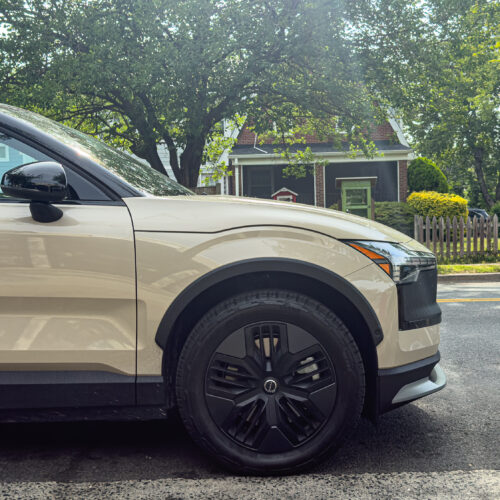
Volvo has ceased importing its compact EX30 electric crossover to the United States, effectively closing order books for the model. Approximately 1,200 units remain in inventory, and once these are sold, the EX30 will no longer be available for purchase in the US market. This decision comes despite the EX30 being positioned as a potentially ideal solution to the trend of increasingly larger and less efficient vehicles. The average new vehicle in the US grew by an inch in width and 22 inches in length between 2013 and 2023, according to industry data.
Volvo first revealed the EX30 in 2023, with initial pricing announced at $34,950 for the rear-wheel-drive version before tax credits. This pricing strategy aimed to make the EX30 one of the more affordable electric vehicles available in the US, particularly given its premium brand positioning. The EX30 was designed as an efficient electric crossover with a small carbon footprint and a focus on safety, intended to offer a compelling alternative to larger vehicles.
The company's decision to halt US sales of the EX30 appears to be influenced by geopolitical factors, though specific details were not provided in the initial announcement. The EX30 was developed with a focus on sustainability, utilizing recycled materials and aiming for a reduced environmental impact throughout its lifecycle. Its compact dimensions were intended to improve energy efficiency and minimize its ecological footprint, contrasting with the growing size of the average automobile.
The EX30 was unveiled globally in 2023, with its compact size and competitive pricing generating significant interest. The vehicle's development prioritized safety features and a minimalist interior design, characteristic of Volvo's recent product strategy. The discontinuation of its US availability means consumers will miss out on what was presented as a more accessible entry point into the electric vehicle market from a luxury manufacturer.
Original source — read the full reporting at the publisher:
Read on Ars Technica