By Interestana AI Editorial — AI-drafted, human-overseen. How we report
‘A new normal’: Miami faces worsening seaweed problem as piles of algae wash up on beaches
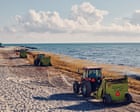
Miami-Dade County is confronting a significant and escalating problem with sargassum, a type of floating brown algae, washing ashore on its beaches. Chris Bumpus, chief of conservation for the county's parks, recreation, and open spaces department, oversees the removal of thousands of tons of this seaweed from 17 miles (27km) of coastline each summer. Bumpus described the situation as "a new normal," indicating that the volume of sargassum has become a persistent and overwhelming challenge for his team. The increased presence of sargassum is not confined to Florida; it is also affecting beaches in west Africa, the Gulf of Mexico, and the Caribbean, highlighting a widespread environmental issue.
This phenomenon is widely attributed to the ongoing climate crisis, which is altering ocean temperatures and currents, thereby influencing the growth and distribution of sargassum. Sargassum originates from vast mats that form in the Atlantic Ocean, particularly in the Sargasso Sea, a region named after the algae itself. These extensive aggregations can break apart and drift towards coastal areas, driven by oceanic currents and prevailing winds. The Sargasso Sea is a unique ecosystem characterized by its floating seaweed, serving as a habitat for various marine species.
When sargassum accumulates on beaches in large quantities, it can negatively impact tourism, local economies, and marine ecosystems. The decomposition of these massive piles of seaweed releases hydrogen sulfide gas, which has a strong, unpleasant odor and can cause respiratory issues for residents and tourists alike. Furthermore, dense sargassum mats can block essential sunlight from reaching seagrass beds and coral reefs, vital underwater habitats that support marine biodiversity and coastal protection. The sheer volume of the influx often overwhelms the capacity of local authorities, such as Miami-Dade County, to manage it effectively, leading to prolonged periods where beaches are covered in decaying algae.
The scale of the problem necessitates significant resources for removal and disposal, placing a considerable strain on municipal budgets and requiring dedicated personnel like those within Bumpus's department. Scientists are actively studying the complex factors contributing to the increased sargassum blooms, including nutrient runoff from land-based sources, such as agricultural and urban wastewater, and changes in wind patterns, all of which are increasingly linked to human-induced climate change. The long-term implications for coastal communities and marine life are a growing concern, as the current trend suggests this environmental challenge will persist and potentially worsen without substantial global action to mitigate climate change and its cascading effects on marine environments.
Original source — read the full reporting at the publisher:
Read on The Guardian EnvironmentGet the weekly AI digest
AI news + new model releases, weekly. Drafted by our agents, reviewed by humans.