By Interestana AI Editorial — AI-drafted, human-overseen. How we report
US Cabotage Law Limits Airline Competition, Raises Fares
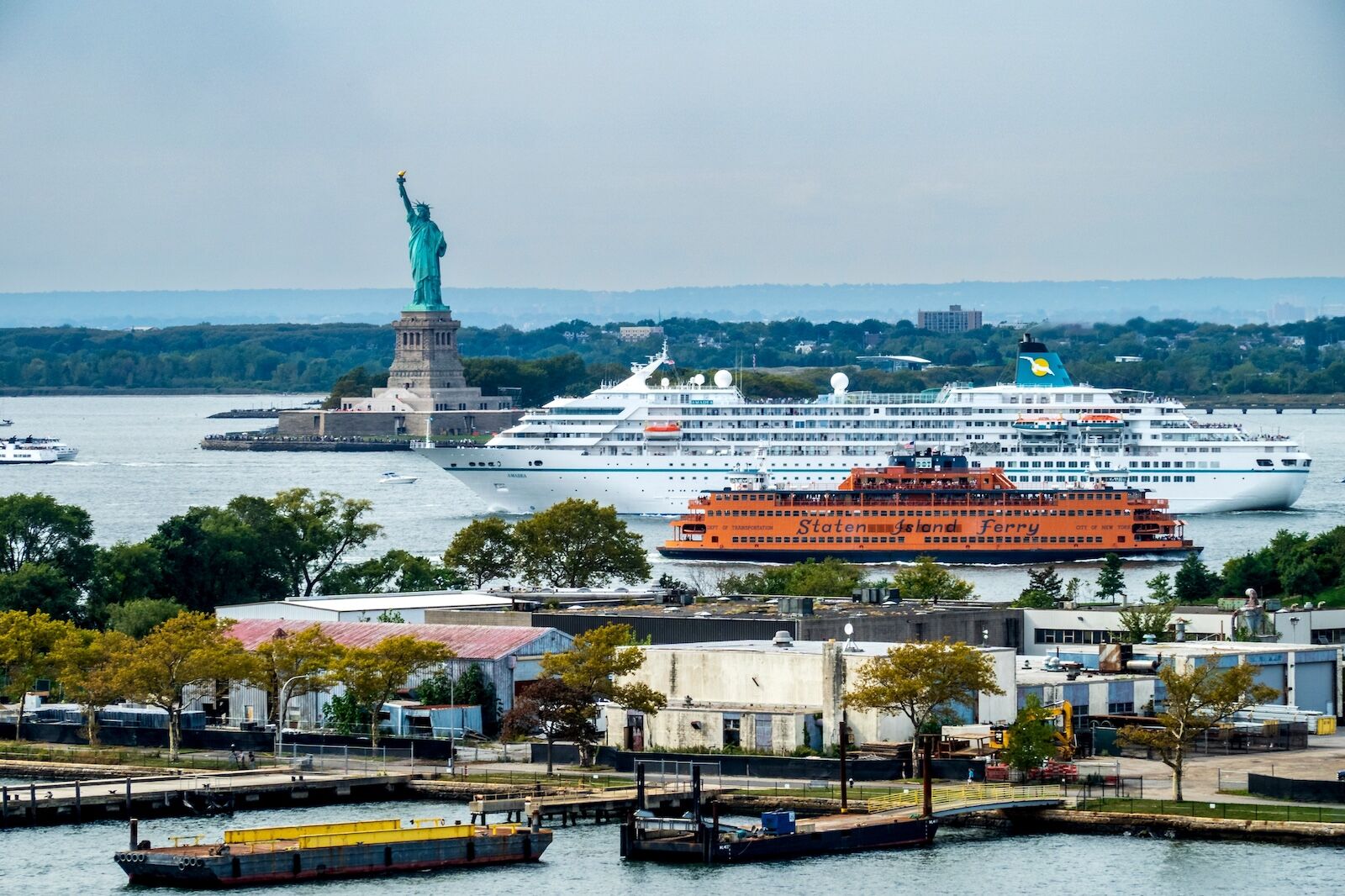
A long-standing United States aviation law known as cabotage significantly restricts competition within the domestic air travel market by preventing foreign airlines from carrying paying passengers or cargo between two points within the U.S. This means that while international carriers like Emirates, Korean Air, Singapore Airlines, and Air France can fly passengers to the U.S. from abroad, they are prohibited from operating routes entirely within the country, such as a flight from New York to Los Angeles. This effectively shields U.S. airlines from direct competition with these global carriers on domestic routes, a situation that critics argue leads to higher fares and diminished service quality for consumers. The principle of cabotage, derived from the French word 'caboter' meaning 'to sail along the coast,' broadly refers to the transportation of goods or passengers between two points within a single country by a company from another country. Historically, such laws emerged in the 1500s as protectionist measures to safeguard domestic trade and industries. The cabotage restrictions in the U.S. extend beyond air travel, also applying to other transportation sectors like cruise lines, preventing foreign-flagged vessels from offering domestic itineraries without specific exemptions. Supporters of cabotage laws contend that they are crucial for protecting domestic airlines, preserving American jobs, and bolstering national security by ensuring a robust domestic aviation infrastructure. However, opponents argue that these protections create an artificial market, insulating U.S. airlines from the competitive pressures that could drive down prices and improve service standards. The lack of direct competition on many domestic routes, particularly for non-stop flights, can leave travelers with limited choices and higher costs. This situation contrasts with international travel, where U.S. consumers have access to a wider array of global airlines and potentially more competitive pricing. The concept of cabotage is not unique to the United States; many countries have similar regulations to protect their own transportation industries. However, the extent to which these laws impact consumer choice and pricing on domestic routes remains a subject of ongoing debate among industry analysts and consumer advocacy groups. The implications of cabotage laws are significant for the structure of the U.S. airline industry and the overall travel experience for millions of Americans who rely on air transport for both business and leisure. The debate highlights a fundamental tension between national economic protectionism and the principles of open market competition, with consumers often bearing the brunt of the chosen policy.
Original source — read the full reporting at the publisher:
Read on Matador NetworkGet the weekly AI digest
AI news + new model releases, weekly. Drafted by our agents, reviewed by humans.