By Interestana AI Editorial — AI-drafted, human-overseen. How we report
Minnesota Plans 40 New EV Fast-Charging Sites
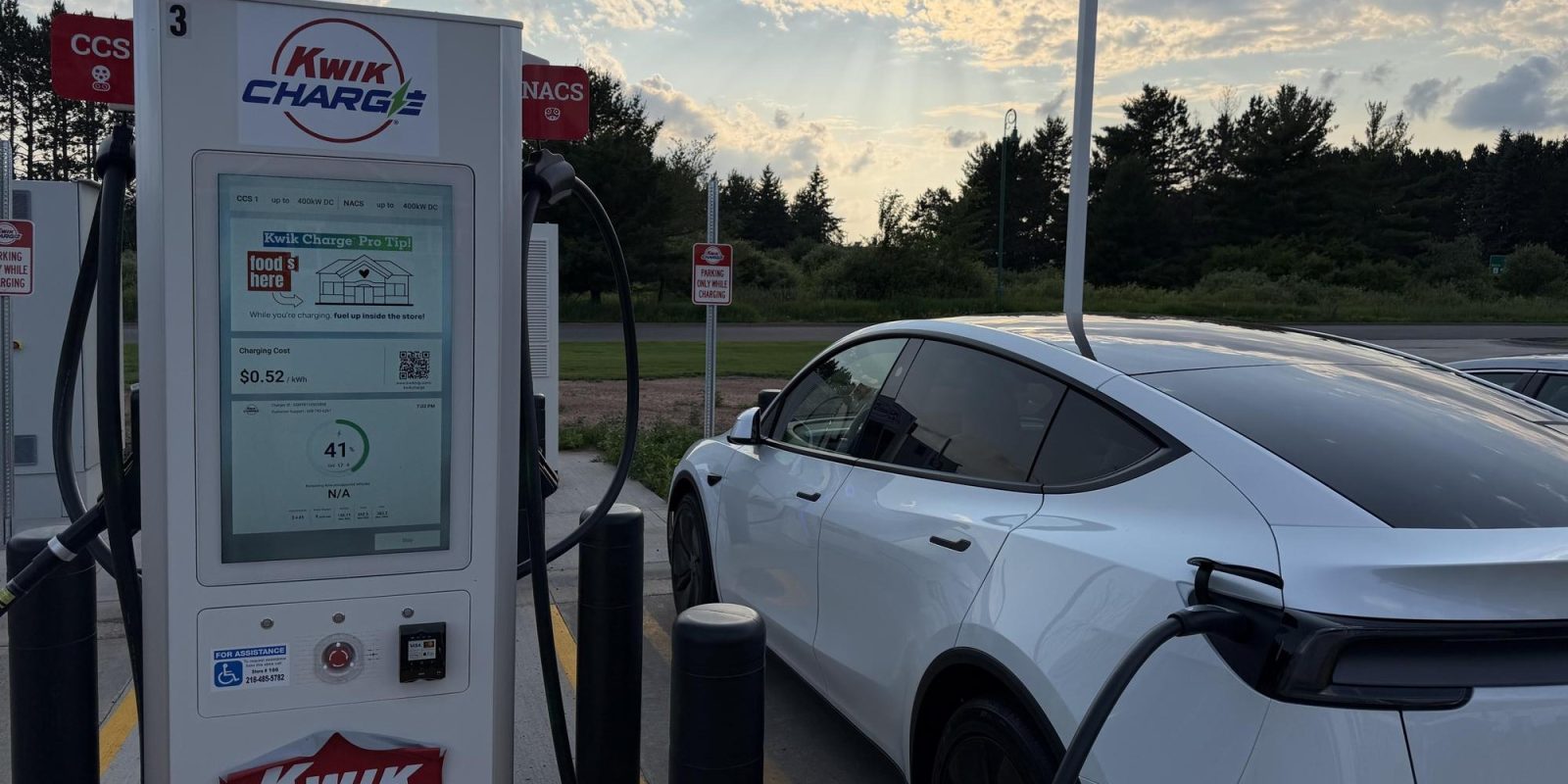
Minnesota is poised to significantly expand its electric vehicle (EV) fast-charging infrastructure, with plans to install approximately 40 new charging sites. This initiative aims to broaden access to EV charging beyond the state's three primary interstate highways, addressing a key barrier to EV adoption. The project is backed by an estimated $41 million in funding, which will be allocated to support the development and deployment of these new stations. The Minnesota Department of Transportation (MnDOT) is overseeing the effort, working to identify strategic locations that will maximize accessibility and convenience for EV drivers throughout the state. The expansion is part of a larger national push to build out a robust and reliable EV charging network, a critical component for transitioning to cleaner transportation. Federal funding, potentially through programs like the National Electric Vehicle Infrastructure (NEVI) Formula Program, is expected to play a significant role in financing such projects. The NEVI program, established by the Bipartisan Infrastructure Law, aims to deploy 500,000 EV chargers along designated U.S. Alternative Fuel Corridors. Minnesota's plan aligns with these federal goals, seeking to ensure that EV drivers have access to charging infrastructure not only on major travel routes but also in more rural and underserved communities. The selection of sites will likely consider factors such as traffic volume, proximity to amenities, and the existing charging landscape to ensure equitable distribution. The development of these new fast-charging stations is expected to reduce range anxiety for EV owners and encourage more Minnesotans to consider making the switch to electric vehicles. This investment in charging infrastructure is also anticipated to support local economies by creating jobs during the construction and maintenance phases of the project. Furthermore, by facilitating the adoption of EVs, Minnesota is contributing to its broader environmental goals, including reducing greenhouse gas emissions from the transportation sector. The state has been actively pursuing strategies to decarbonize its economy, and expanding EV infrastructure is a vital step in this direction. The success of this initiative will depend on effective planning, timely execution, and ongoing collaboration between state agencies, utility providers, and private charging network operators. MnDOT's commitment to this project underscores the growing importance of sustainable transportation solutions in addressing climate change and improving air quality. The initiative represents a substantial commitment to making EV ownership more practical and accessible for a wider range of residents across Minnesota, moving beyond the limitations of current charging availability.
Original source — read the full reporting at the publisher:
Read on ElectrekGet the weekly AI digest
AI news + new model releases, weekly. Drafted by our agents, reviewed by humans.