By Interestana AI Editorial — AI-drafted, human-overseen. How we report
Pennsylvania Reports Fourth Measles Death: Unvaccinated Teen Succumbs to Severe Neurological Complication
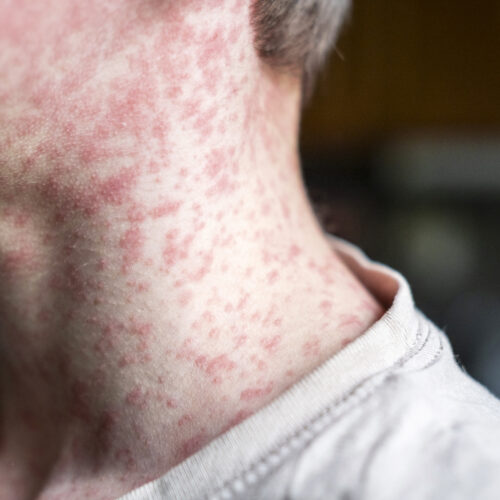
Pennsylvania's Department of Health confirmed on Tuesday the state's fourth fatality attributed to measles, a devastating outcome for an unvaccinated 18-year-old resident of Mifflin County. This tragic event follows closely on the heels of another confirmed death, that of an unvaccinated 40-year-old woman in Jefferson County, as reported by a county coroner over the weekend. The state had previously announced two earlier measles-related deaths in Lancaster County, both of which involved infants—a newborn boy and a 6-week-old girl. These infants, due to their extremely young age, were not yet eligible for the measles vaccine, underscoring the vulnerability of the youngest members of the population to this preventable disease.
The Mifflin County coroner, Andrea L. Alcalde, identified the cause of death for the 18-year-old as acute disseminated encephalomyelitis (ADEM). ADEM is a rare but well-documented and severe neurological complication that can arise from a measles infection. This condition is characterized by a rapidly progressing autoimmune disorder. In ADEM, the body's immune system, in its response to the infection, mistakenly attacks and strips away the myelin sheath, the protective fatty covering that insulates nerve cells in the brain and spinal cord. This damage disrupts nerve signal transmission and can lead to severe neurological impairment and, as tragically demonstrated, death.
Historically, before the widespread implementation of measles vaccination programs, ADEM was a more commonly observed complication associated with measles. However, it is important to note that other viral infections can also trigger the development of ADEM. Measles itself is a highly contagious viral illness, typically manifesting with symptoms such as fever, a hacking cough, a runny nose, red and watery eyes (conjunctivitis), and a characteristic maculopapular rash that begins on the face and spreads downwards. While the majority of individuals who contract measles recover without lasting effects, the disease carries the potential for serious complications, particularly for those with weakened immune systems, the very young, and the elderly. These complications can include pneumonia, encephalitis (inflammation of the brain), and the severe neurological sequelae of ADEM.
The recent increase in measles cases and associated deaths in Pennsylvania and globally is a cause for significant public health concern. Experts attribute this resurgence, in large part, to declining vaccination rates. Measles vaccination, primarily through the measles, mumps, and rubella (MMR) vaccine, is widely recognized as the most effective preventative measure against the disease and its potentially life-threatening complications. Public health authorities continue to emphasize the critical importance of maintaining high vaccination coverage to protect communities and prevent outbreaks. The Pennsylvania Department of Health remains actively engaged in monitoring the situation, providing public health guidance, and promoting vaccination strategies to mitigate further risks.
Original source — read the full reporting at the publisher:
Read on Ars TechnicaGet the weekly AI digest
AI news + new model releases, weekly. Drafted by our agents, reviewed by humans.